

TL;DR
Asking your organization a single question — "What happens to our old electronics?" — can redirect thousands of pounds of toxic e-waste from landfills into the hands of families who need technology. According to the Global E-waste Monitor 2024, the world generated 62 million tonnes of e-waste in 2022, with projections reaching 82 million tonnes by 2030 — and global e-waste production has grown five times faster than formal recycling rates since 2010. The fix starts with one conversation at work and one form filled out to donate usable devices instead of destroying them.
Table of Contents
- How big is the e-waste crisis right now?
- What does e-waste do to the environment?
- How does e-waste threaten human health?
- How can a single question change your organization’s e-waste impact?
- Take action: Ask the question
- FAQ
Introduction
According to the Global E-waste Monitor 2024, the world generated 62 million tonnes of e-waste in 2022 — averaging 7.8 kg per person. That’s enough to fill 1.5 million transport trucks, according to the UN Environment Programme. E-waste is now the world’s fastest-growing waste stream, and global e-waste production has grown five times faster than formal recycling rates since 2010.
This isn’t just a recycling problem. It’s about valuable resources being wasted. It’s about toxic materials poisoning our environment. And it’s about missed opportunities to get working technology into the hands of families, students, and job seekers who desperately need it.
The policies and practices surrounding e-waste disposal in organizations are ripe for transformation. A single, well-placed question — "What happens to our old electronics?" — can shift your workplace from contributing to the crisis to becoming part of the solution.
How Big Is the E-Waste Crisis Right Now?
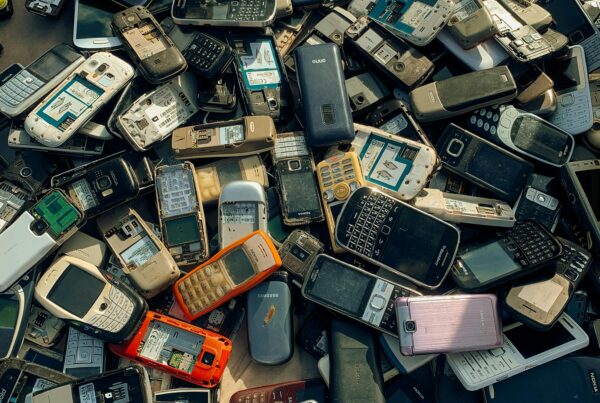
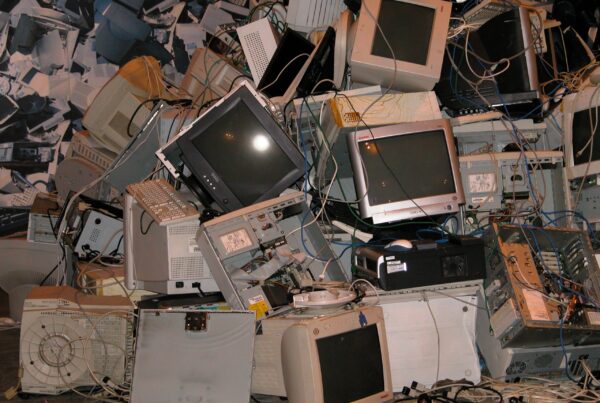
E-waste is surging at a pace that dwarfs every other waste category on the planet. The term covers everything from consumer electronics — laptops, tablets, cell phones — to bulky household appliances like refrigerators, ovens, and microwaves. Formally defined, e-waste encompasses all types of electrical and electronic equipment discarded by the owner without the intention of reuse — and that definition itself is part of the problem.
The numbers are staggering — and accelerating
Current projections forecast e-waste reaching 82 million tonnes by 2030 and a staggering 120 million tonnes by 2050, according to recent global e-waste tracking data. To visualize 82 million tonnes: the Great Pyramid of Giza weighs about 5.9 million metric tons. We’re talking about nearly 14 Great Pyramids of discarded electronics by the end of this decade.
What’s driving the acceleration
Two primary forces are fueling this crisis. First, rising incomes in low- and middle-income countries are making electronics accessible to a wider audience for the first time. Second, the relentless cycle of new product launches in wealthier nations — driven by planned obsolescence and throwaway culture — pushes consumers toward frequent upgrades and replacements.
These dynamics create a compounding problem that intertwines environmental destruction, health consequences, and social inequity. The devices companies design to fail don’t just end up in landfills. They poison communities.
What Does E-Waste Do to the Environment?
E-waste contaminates every layer of the natural environment — air, water, and soil — through a cascading chain of toxic exposure that begins the moment a device is improperly discarded.
Air pollution from improper recycling
In informal recycling hubs around the world, dismantling and shredding electronics releases dense clouds of dust and particulates into the atmosphere. The burning of low-value e-waste — a common practice to recover metals — emits toxic dioxins, while chemicals used to dissolve precious metals from high-value components send damaging fumes into the air.
Areas surrounding informal recycling sites can have particulate matter concentrations far exceeding safe levels recommended by the World Health Organization, directly correlating to increased respiratory and cardiovascular diseases among nearby communities.
Water contamination
The disposal of acids and chemicals used to strip metals from electronic waste directly contaminates streams, rivers, and lakes. Heavy metals like lead and cadmium leach from landfills and dumping sites into water tables — a silent invasion with devastating consequences. Studies have found that water near e-waste recycling sites can contain mercury levels up to 10 times higher than safe limits set by the World Health Organization.
This contamination leads to the acidification of waterways, a decline in marine life health, and — ultimately — the collapse of aquatic ecosystems. Communities relying on these water sources for drinking, cooking, and irrigation face compounded health risks.
Soil contamination
Heavy metals and flame retardants from improperly disposed electronics leach into the ground, poisoning the soil. The burning of e-waste compounds this issue, leaving behind toxic ash that further contaminates the earth. These pollutants disrupt the delicate balance of soil composition, damaging plant cells, altering plant metabolism, and killing essential microorganisms.
The environmental toll is not three separate problems — it’s one interconnected crisis. Contaminated soil poisons water. Polluted air settles on land. Each element of this triad compounds the others.
How Does E-Waste Threaten Human Health?
Exposure to toxic materials in e-waste triggers a cascade of biological responses — inflammation, cellular injury, and cell death — that manifests in devastating health outcomes for communities on the front lines.
Chronic and fatal health conditions
The long-term exposure to hazardous substances found in e-waste contributes to the development of serious chronic conditions. Cadmium exposure is linked to kidney damage and bone diseases. Chronic exposure to brominated flame retardants — found in electronic casings — can lead to thyroid issues, reproductive health problems, and developmental disorders in children. The intricate web of e-waste’s impact extends deeply into human health, with research showing these biological effects are not just microscopic concerns but tangible threats to entire communities.
The toll on families near e-waste sites
Children — the most vulnerable to environmental pollutants — exhibit significantly reduced lung function and elevated blood lead levels in e-waste dismantling towns. Mothers in these areas face increased incidences of miscarriages, stillbirths, and premature births linked to e-waste metal exposure. Newborns show greater DNA damage compared to those born in cleaner environments.
A study conducted in Guiyu, China — an area with extensive e-waste processing — found significantly higher lead levels in the blood of local children compared to those from a less polluted area. These elevated levels are associated with cognitive impairments, behavioral disorders, and lifelong health complications. These aren’t abstract risks. They are generational damage.
What’s actually inside your old devices
Lead in circuit boards and monitor gaskets wreaks havoc on the nervous system, kidneys, and child brain development. Mercury in computer relays and switches inflicts chronic damage on the brain and respiratory system. Bromine, used as a flame retardant in electronic casings, causes irreversible damage to the endocrine system. Every improperly discarded device carries this toxic payload.
How Can a Single Question Change Your Organization’s E-Waste Impact?
By asking your organization "What happens to our old electronics?" you trigger a review of disposal practices that often reveals a massive, overlooked opportunity: most so-called "e-waste" still works.
The problem with how we define e-waste
The conversation around e-waste typically centers on the end of a device’s lifecycle — categorizing electronics as waste the moment they’re no longer wanted. This perspective overlooks something crucial: not all discarded electronics have reached the end of their useful life. A three-year-old laptop retired during a corporate refresh isn’t waste. It’s a lifeline for a student who doesn’t have one.
A smarter classification system
Adopting a more refined framework changes everything. By distinguishing between "donation-grade" (still functional and useful), "outlier" (requires minor repair), and "true e-waste" (genuinely beyond use), organizations can extend the life of electronic devices instead of destroying them. Donation-grade items get repurposed, reducing waste volume while providing technology access to income-qualified families and bridging the digital divide.
Proof it works: The USC and Human-I-T partnership
The partnership between the University of Southern California (USC) and Human-I-T demonstrates the impact of rethinking e-waste at scale. In 2019, this collaboration repurposed over 325,000 pounds and 6,000 devices, diverting significant waste from landfills. The effort prevented 3.1 million pounds of fossil fuel emissions, saved 20 million pounds of water, and avoided the use of nearly 300,000 pounds of toxic chemicals.
Beyond the environmental wins, the initiative equipped community computer labs, enhancing education and job readiness programs — demonstrating that e-waste, when handled responsibly, becomes a driver for social good.
Take Action: Ask the Question
The power of a single inquiry into your organization’s e-waste disposal policy holds the potential to ignite significant change. With e-waste generation growing five times faster than recycling capacity, the gap between what we discard and what we recover is widening every year.
Start with your workplace. Ask what happens to retired electronics. Push for donation-grade devices to be rerouted to organizations like Human-I-T instead of shredded or landfilled. Share what you learn with colleagues.
By questioning and acting, you don’t just contribute to a more sustainable planet — you become a pivotal force for digital equity within your community.
Fill out our technology donation form today and take a step toward closing the digital divide while championing responsible e-waste management. No gimmicks. No gatekeeping. Just real impact.
FAQ
What qualifies as e-waste?
E-waste covers all types of electrical and electronic equipment discarded without the intention of reuse — from smartphones and laptops to refrigerators and microwaves. However, many items classified as "e-waste" are still functional and could be donated rather than recycled or landfilled. That distinction matters.
How much e-waste does the world produce each year?
According to the Global E-waste Monitor 2024, the world generated 62 million tonnes of e-waste in 2022, with projections reaching 82 million tonnes by 2030 and 120 million tonnes by 2050. Global e-waste production has grown five times faster than formal recycling rates since 2010.
Why is e-waste dangerous to human health?
E-waste contains toxic heavy metals — lead, mercury, cadmium, and brominated flame retardants — that cause kidney damage, neurological disorders, reproductive harm, and developmental issues in children. Communities near informal recycling sites face elevated blood lead levels, increased miscarriage rates, and greater DNA damage in newborns.
How can my organization donate old electronics instead of recycling them?
Contact Human-I-T to set up a technology donation pipeline. Our technicians assess devices, refurbish what’s donation-grade, and securely sanitize all data — with NAID AAA certification. Fill out the technology donation form to get started. Your retired laptops and devices get a second life with families, students, and job seekers who need them.
What’s the difference between recycling and donating e-waste?
Recycling breaks devices down for raw materials — useful, but energy-intensive and often incomplete. Donating extends the full lifespan of a functional device, keeping it out of the waste stream entirely while putting technology directly into the hands of underserved communities. Donate, don’t recycle — when the device still works.