
Table of Contents
- TL;DR
- The E-Waste Crisis Is Growing Faster Than Most People Realize
- Why Does Understanding What’s Inside Your Devices Matter?
- Do You Actually Need That Upgrade?
- How Can You Make Your Devices Last Longer?
- What’s the Best Way to Get Rid of Old Electronics?
- How Does Donating to Human-I-T Reduce E-Waste?
- FAQ
TL;DR
The world now generates 62 million tonnes of e-waste every year, and less than a quarter of it gets recycled. You can shrink your share of that crisis by learning what’s in your devices, resisting unnecessary upgrades, extending your devices’ lifespans, and — when it’s time to let go — donating old tech to organizations like Human-I-T that refurbish and redirect electronics to underserved communities instead of landfills.
The E-Waste Crisis Is Growing Faster Than Most People Realize
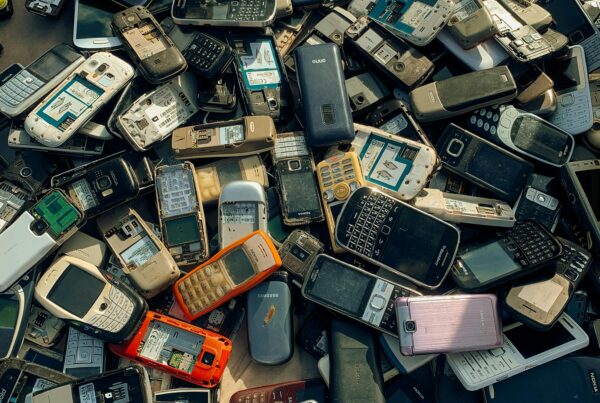
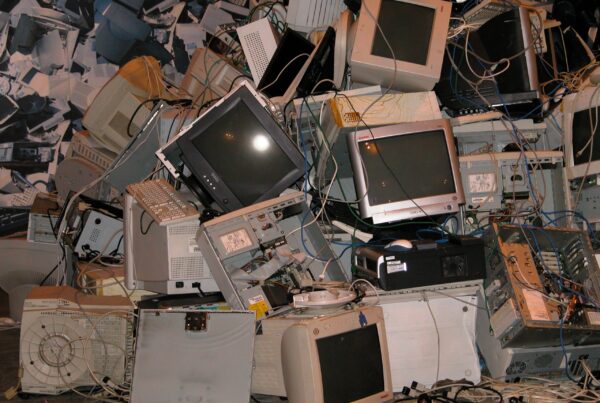
According to the Global E-waste Monitor 2024, the world generated 62 million tonnes of e-waste in 2022 — averaging 7.8 kg per person. That’s not a rounding error. That’s enough discarded electronics to fill 1.5 million transport trucks, according to the United Nations Environment Programme. Left unchecked, global e-waste is projected to hit 82 million tonnes by 2030 and a staggering 120 million tonnes by 2050.
And here’s the part that should alarm everyone: according to a 2025 World Economic Forum report, less than a quarter of that e-waste gets properly recycled. The rest? Landfills, illegal dumps, or incinerators — where toxic chemicals and heavy metals seep into soil, pollute groundwater, and release atmosphere-warming hydrocarbons.
E-waste is a crisis of both environmental justice and digital equity. The toxic fallout lands hardest on working-class communities and the Global South, while perfectly functional devices rot in drawers instead of reaching the families who need them. The good news: you don’t have to overhaul your entire life to make a real dent. Five deliberate choices can transform you from part of the problem into part of the solution.
Why Does Understanding What’s Inside Your Devices Matter?
Because you can’t solve a problem you don’t understand. Your smartphone, laptop, and tablet contain toxic components — lead, mercury, cadmium, brominated flame retardants — that are relatively harmless while sealed inside a working device but become environmental hazards the moment that device hits a landfill.
Doing even basic research on the raw materials in your electronics shifts your relationship with them. You stop seeing a phone as disposable and start recognizing it as a concentrated bundle of mined resources — many extracted at enormous human and environmental cost. That awareness is the foundation for every other action on this list. Solving the e-waste crisis is only possible if we understand the scale of its environmental impact.
Do You Actually Need That Upgrade?
Probably not — and that’s the honest answer most manufacturers don’t want you to hear. Planned obsolescence is a feature, not a bug, of the consumer electronics industry. Companies design products to feel outdated long before they stop working, engineering a disposable mindset that keeps the upgrade cycle spinning and the e-waste piling up.
Before you trade in a perfectly functional device, ask yourself: does this phone or laptop still do what I need it to do? The longer you hold onto your current devices, the more electronics stay out of the waste stream. Every year you resist an unnecessary upgrade is a year of toxic materials kept out of a landfill — and a direct rejection of throwaway culture.
How Can You Make Your Devices Last Longer?
Small daily habits add up to years of extended device life. The way you treat your electronics on a routine basis makes a measurable difference in how well they perform and how long they last.
A few high-impact practices: unplug your laptop once it’s fully charged to protect the battery. Use a protective case — it costs $15 and can prevent a $500 replacement. Avoid filling your hard drive past 80% capacity, which slows performance and strains the hardware. Regularly clean your devices, physically and digitally, to prevent overheating and software bloat.
These aren’t dramatic gestures. They’re the kind of repair-over-replacement habits that, multiplied across millions of people, keep massive volumes of electronics out of the waste stream.
What’s the Best Way to Get Rid of Old Electronics?
Donate them — don’t just recycle them. E-waste recycling, while a critical component of managing this waste, falls short of being a comprehensive solution. Refurbishment extends the lifespan of a device and keeps it in productive use, which is the highest-value outcome in any circular economy model.
When you donate your old computer or phone to Human-I-T, our technicians refurbish what we can, responsibly recycle the rest, and redirect thousands of devices away from landfills and into the hands of income-qualified families who need them. That’s not just waste reduction — it’s digital equity in action.
Donate your technology to Human-I-T today.
How Does Donating to Human-I-T Reduce E-Waste?
Every dollar you contribute funds the infrastructure that makes device refurbishment, responsible recycling, and community distribution possible. Our team is committed to protecting the planet and closing the digital divide by empowering underserved communities with technology, internet access, and digital literacy training.
This is the circular model at work: your old devices don’t become waste — they become someone’s first laptop, a student’s lifeline for remote learning, or a single parent’s gateway to telehealth and job applications. When you give to Human-I-T, your impact is both environmental and human.
Together, we can confront the growing e-waste crisis — but only through the repeated, deliberate actions of individuals like you.
Our planet, and its inhabitants, are counting on it.
FAQ
How much e-waste does the world produce each year?
According to the Global E-waste Monitor 2024, the world generated 62 million tonnes of e-waste in 2022, averaging 7.8 kg per person. That figure is projected to reach 82 million tonnes by 2030 and 120 million tonnes by 2050 if current trends hold.
What percentage of e-waste actually gets recycled?
Less than a quarter. A 2025 World Economic Forum report found that the vast majority of discarded electronics end up in landfills, illegal dump sites, or informal processing operations — where toxic materials like lead and mercury cause serious environmental and health harm.
What’s the difference between recycling and donating old electronics?
Recycling breaks down a device for raw materials. Donating to an organization like Human-I-T gives that device a second life — our technicians refurbish working electronics and distribute them to income-qualified families, while responsibly recycling anything beyond repair. Refurbishment is the higher-value outcome because it extends the device’s lifespan and bridges the digital divide simultaneously.
How do I donate my old devices to Human-I-T?
Fill out the technology donation form on our website. We accept computers, laptops, phones, tablets, and other electronics. Our NAID AAA certified data destruction process ensures your personal information is completely sanitized before any device is refurbished or recycled.
Why is e-waste harmful to the environment?
Electronics contain hazardous materials — lead, mercury, cadmium, and brominated flame retardants — that leach into soil and groundwater when dumped in landfills. When burned, as they often are in informal recycling operations, they release atmosphere-warming hydrocarbons and toxic fumes. These impacts fall disproportionately on working-class communities and developing nations.