
TL;DR
Every discarded device in your organization is a potential data breach waiting to happen — and according to IBM’s 2025 Cost of a Data Breach Report, the average breach still costs $4.44 million. The fix isn’t just wiping hard drives — it’s partnering with a NAID AAA-certified ITAD provider that follows NIST 800-88 standards for data destruction. Donating devices through certified nonprofits like Human-I-T delivers stronger security guarantees than commercial recycling while creating tax benefits and real community impact.
Table of Contents
- Why is discarded e-waste a cybersecurity threat?
- What new threats do AI and IoT devices create for e-waste disposal?
- What data destruction standards actually protect your organization?
- What’s the step-by-step protocol for secure e-waste disposal?
- Why does donation beat recycling for data security?
- FAQ
Introduction
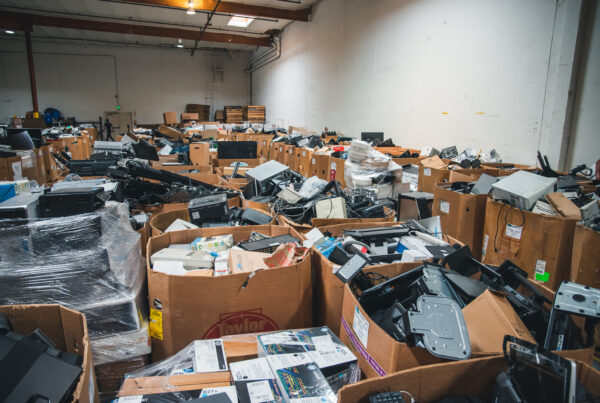
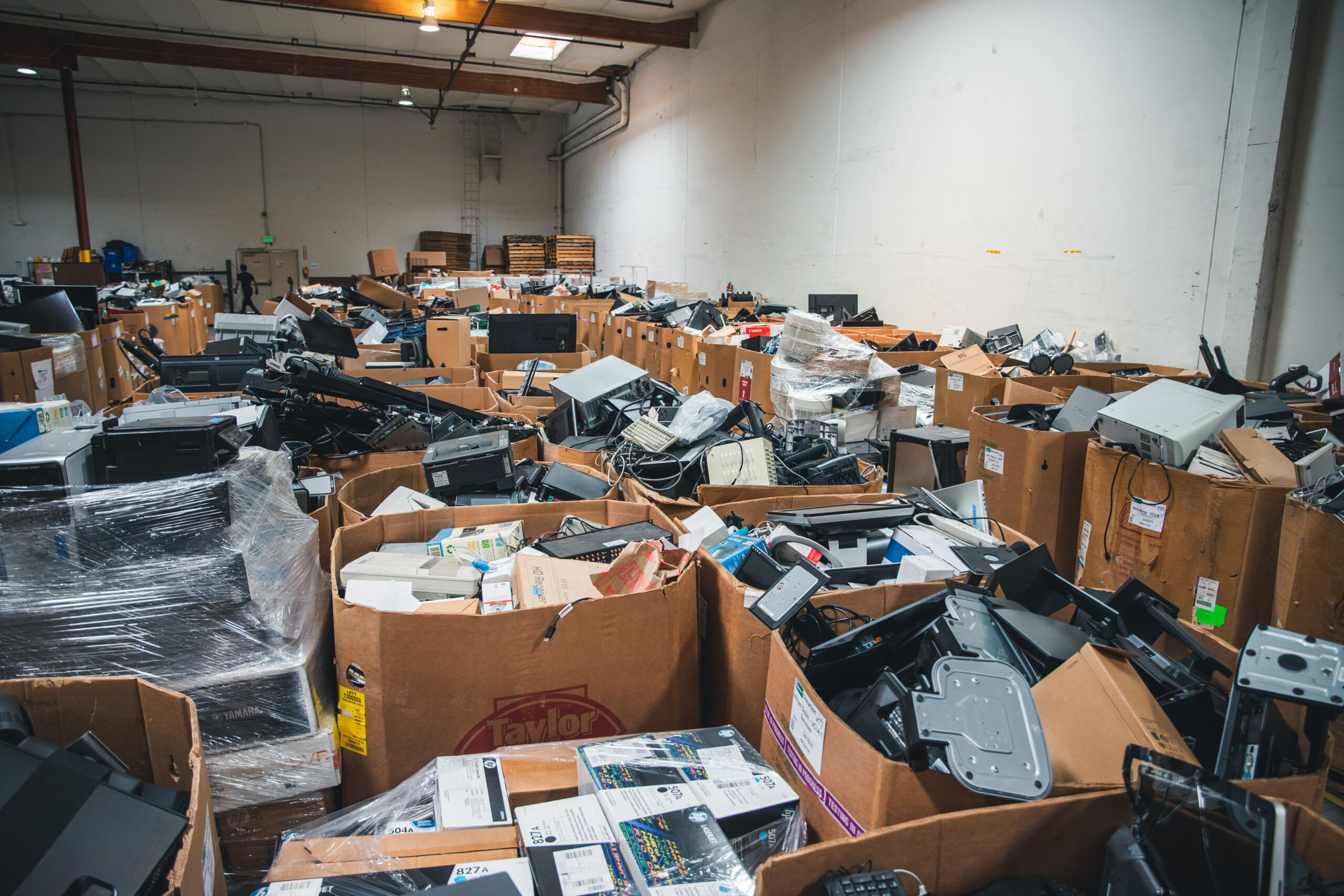
According to IBM’s 2025 Cost of a Data Breach Report, data breaches cost organizations an average of $4.44 million. That figure dropped 9% from 2024 — but don’t exhale yet. Meanwhile, 62 million tons of e-waste entered disposal systems in 2022 with minimal security oversight. Your old devices aren’t just environmental hazards. They’re security time bombs waiting to detonate your organization’s reputation and finances.
Verizon’s 2024 Data Breach Investigations Report found that human error contributes to 28% of all breaches — and improper device disposal ranks among the top preventable mistakes. That "recycled" laptop could end up in the hands of someone actively hunting for your passwords, financial records, and client information.
Traditional e-waste disposal offers zero data security guarantees. But there’s a solution that protects your data, saves money, and creates positive social impact.
Why Is Discarded E-Waste a Cybersecurity Threat?
Because deleting files or performing a factory reset doesn’t actually erase data — it tells the device to ignore those files. They remain fully recoverable with basic software tools available online.
The UN’s 2024 Global E-Waste Monitor found that out of all e-waste generated in 2022, only 22.3% received proper handling. That leaves 48 million tons of potentially data-rich devices floating through informal recycling chains with zero security oversight.
The financial stakes hit hardest in regulated industries. Healthcare organizations now face average breach costs of $7.42 million according to IBM’s 2025 report, while financial services organizations face costs well into the millions per incident. One carelessly discarded device containing client records could trigger regulatory fines, lawsuits, and permanent reputation damage.
Credential-based attacks account for 16% of all breaches, taking an average of 292 days to detect and contain. Your discarded laptop might be feeding these attacks right now.
What New Threats Do AI and IoT Devices Create for E-Waste Disposal?
They store far more sensitive data than traditional computers — and they lack robust security features, making proper disposal even more critical.
Asimily’s 2024 IoT Security Report documents how IoT devices reached 18.8 billion units globally, each representing a potential entry point for attackers. Smart office equipment, industrial sensors, and AI-enabled devices all accumulate sensitive data that persists long after you think you’ve powered them down. November 2024’s "Matrix" botnet attack demonstrates how cybercriminals actively hunt discarded IoT devices to build massive attack networks.
Cryptocurrency wallets present another growing concern. Devices may contain wallet files worth thousands — or millions — of dollars. FTC data shows investment scam losses reached $5.7 billion in 2024, with many cases involving recovered digital assets from improperly disposed devices.
The e-waste cybersecurity landscape is evolving faster than disposal practices. Organizations that treat device retirement as a simple logistics problem are handing attackers the keys.
What Data Destruction Standards Actually Protect Your Organization?
The gold standard is NIST 800-88 Revision 1, which outlines three sanitization levels based on data sensitivity:
Clear: Overwrites data using standard read/write commands. Suitable for internal reuse of devices with low-sensitivity data.
Purge: Applies advanced techniques like cryptographic erase or multiple overwrite passes. Required for devices that handled confidential information before leaving your organization.
Destroy: Physical destruction of storage media. Mandated for classified data or when other methods aren’t feasible.
CISA’s 2024 guidance emphasizes that organizations must document every step of the sanitization process — certificates of destruction, serialized reporting, and chain-of-custody documentation. Standard recycling rarely provides any of this.
What’s the Step-by-Step Protocol for Secure E-Waste Disposal?
Follow these five steps to eliminate data exposure from retired devices.
Step 1: Inventory and Classify Your Devices
Create a comprehensive list of all devices scheduled for disposal. Categorize them by data sensitivity — public, internal, confidential, or restricted. This classification determines which NIST 800-88 method you’ll need.
Don’t forget hidden storage: printers with hard drives, network equipment with configuration files, and smart devices with cached credentials. Each requires individual assessment.
Step 2: Choose NAID AAA-Certified Service Providers
Partner exclusively with NAID AAA-certified organizations like Human-I-T that follow strict data destruction protocols. These certifications ensure your provider uses NIST 800-88 compliant methods and maintains proper documentation.
Verify their facility security, employee background checks, and chain-of-custody procedures. Request references from organizations in your industry — especially if you handle regulated data like HIPAA or financial records.
Step 3: Implement Secure Transportation
Never transport data-bearing devices in personal vehicles or use unsecured shipping. Professional ITAD providers offer GPS-tracked pickup services with tamper-evident packaging and real-time monitoring.
For remote employees, coordinate with your ITAD partner to provide secure shipping materials and clear instructions. Some organizations require on-site data destruction before devices leave the premises.
Step 4: Document Everything
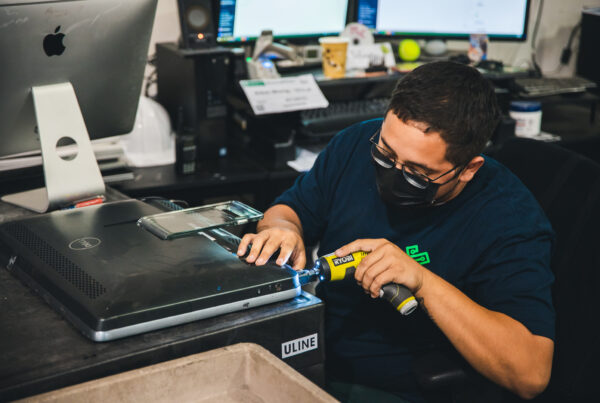
Demand comprehensive reporting for every disposed device. This includes certificates of data destruction with technician signatures, serialized reports showing device-specific sanitization methods, environmental impact documentation for sustainability reporting, and chain-of-custody records from pickup through final disposition.
These documents prove compliance during audits and provide legal protection if questions arise later.
Step 5: Verify and Follow Up
Don’t assume the process worked correctly. Review all documentation for completeness and accuracy. For high-value disposals, consider requiring video documentation of the destruction process.
Establish ongoing relationships with certified providers rather than shopping around for each disposal event. This builds accountability and ensures consistent security standards.
Why Does Donation Beat Recycling for Data Security?
Because donation through certified nonprofits combines enterprise-grade data destruction with a documented chain of custody that commercial recycling rarely matches.
Organizations like Human-I-T follow the same NIST 800-88 standards as commercial vendors — but add community benefit. Your disposed devices get fresh operating system installations and quality testing before reaching working families who gain access to digital literacy training. That’s digital equity in action.
The financial benefits are substantial. Certified nonprofits provide tax-deductible receipts that often exceed disposal costs. You eliminate pickup fees while supporting digital equity initiatives that strengthen your ESG reporting.
Most importantly, donation keeps functional devices in circulation longer, reducing demand for new manufacturing and the toxic extraction it requires. The UN estimates that proper e-waste management could generate $38 billion in global benefits by 2030 — and your organization can be part of that solution.
FAQ
Does a factory reset protect my data before disposing of a device?
No. A factory reset tells the device to ignore your files, but the data remains fully recoverable with basic software tools available online. Proper data sanitization requires NIST 800-88 compliant methods — Clear, Purge, or Destroy — depending on your data sensitivity level.
What certifications should I look for in an e-waste disposal partner?
Look for NAID AAA certification, which ensures strict data destruction protocols, employee background checks, and chain-of-custody documentation. You should also confirm the provider follows NIST 800-88 sanitization standards and can provide serialized certificates of destruction for every device.
How does donating e-waste through Human-I-T protect my organization’s data?
Human-I-T is a NAID AAA-certified organization that uses NIST 800-88 compliant data destruction on every device. We provide certificates of destruction, GPS-tracked secure pickup, and detailed impact reporting. After data sanitization, functional devices are refurbished and distributed to families facing the digital divide — giving your retired technology a second life while protecting your organization.
What hidden devices in my office might contain sensitive data?
Printers with internal hard drives, network routers with cached configuration files, smart displays, IoT sensors, and even older smartphones can all store recoverable sensitive data. A comprehensive inventory before disposal is critical — don’t limit your assessment to laptops and desktops.
How much could an e-waste data breach cost my organization?
According to IBM’s 2025 Cost of a Data Breach Report, the global average cost is $4.44 million. Healthcare organizations face even steeper consequences at $7.42 million per incident. Beyond direct costs, improper disposal can trigger regulatory fines, lawsuits, and lasting reputation damage.
Ready to secure your e-waste disposal? Human-I-T offers comprehensive ITAD services with NAID AAA-certified data destruction, secure pickup, and detailed impact reporting. Contact us today at 888-391-7249 to protect your data while creating positive community impact.
Learn more about our complete e-waste services and see our impact in communities nationwide.