
TL;DR
E-waste poisons our air, water, and soil through a toxic cocktail of over 1,000 chemical substances — and only 22.3% of the world’s 62 million annual tonnes of discarded electronics reach proper recycling facilities. The rest leaches heavy metals into groundwater, releases dioxins into the air near vulnerable communities, and contaminates farmland. The single most impactful step you can take: donate old devices to certified refurbishers like Human-I-T instead of tossing them in the trash.
Table of Contents
- How big is the e-waste crisis right now?
- Why are disposable electronics making the problem worse?
- How does e-waste pollute our air, water, and soil?
- Who suffers most from e-waste contamination?
- What can individuals and businesses do about e-waste?
- How Human-I-T turns e-waste into digital equity
- FAQ
Introduction
We find ourselves surrounded by electronics. Smartphones, laptops, tablets, smartwatches, wireless earbuds, vaping devices — these products define modern life. But they come with a hidden cost that’s piling up faster than we can manage. According to the World Health Organization), the world now generates 62 million tonnes of electronic waste annually. That makes e-waste the fastest-growing waste stream on the planet — rising five times faster than our ability to recycle it.
And here’s the gut punch: only 22.3% of that e-waste reaches proper recycling facilities. The rest — laden with toxic metals, rare earth elements, and valuable recoverable materials — ends up contaminating soil, polluting waterways, and poisoning the air in communities that had no say in the matter. In the United States alone, we discard nearly 8 million tons of electronic waste each year, making us the world’s second-largest contributor to this mounting environmental disaster.
It’s about valuable resources being wasted. It’s about toxic materials poisoning our environment. And it’s about missed opportunities to extend the life of devices that could connect underserved communities to the digital world.
How Big Is the E-Waste Crisis Right Now?
Massive — and accelerating. Small electronics now dominate our waste streams, generating a staggering 45 billion pounds of e-waste annually. These compact devices — from smartwatches to wireless earbuds — see recycling rates of just 12%. Every second, Americans discard more than 500 pounds of electronic waste. That translates to 47 pounds per person each year, according to PIRG. Picture 16,000 jumbo jets worth of electronics heading to landfills. That’s our annual e-waste output.
Growing incomes in low- and middle-income countries mean more people than ever can access consumer electronics — which is a good thing for digital inclusion. But the increasing availability of previously unthought-of electronic products in middle- and high-income countries is also a major contributor. E-cigarettes, electric vehicles, smart home gadgets — their surging popularity has added entirely new categories of waste to our landfills over the past decade.
PIRG reports that small IT equipment alone — mostly phones and laptops — contributes 11 billion pounds to global waste figures. Manufacturing outpaces recycling efforts by a factor of five. Consumers replace devices more frequently than ever. The combination of planned obsolescence and limited repairability has created perfect conditions for this mounting crisis.
These aren’t oversights. They’re the predictable result of a disposable mindset baked into how electronics get designed, marketed, and discarded.
Why Are Disposable Electronics Making the Problem Worse?
Because manufacturers design products to be thrown away — not repaired, not refurbished, not recycled. And nowhere is that throwaway culture more visible than in the disposable vaping industry.
The UN now classifies disposable vaping devices as a major e-waste contributor. These single-use devices contain valuable lithium batteries that could power sustainable technologies. Manufacturers pack these devices with 286,000 pounds of lithium annually, yet we recover less than 5% through recycling. According to a 2025 PIRG report, Americans threw away 5.7 disposable vapes per second in 2023 — up from 4.5 per second the year prior. That’s nearly 500,000 disposable vapes discarded every single day. The vaping industry’s projected 31% annual growth threatens to accelerate this waste crisis dramatically.
Our current recycling systems can’t keep pace. Each day brings fresh challenges as small appliances and Internet of Things devices flood our waste streams at unprecedented rates. Behind each discarded device lurks an environmental threat that extends far beyond the landfill.
How Does E-Waste Pollute Our Air, Water, and Soil?
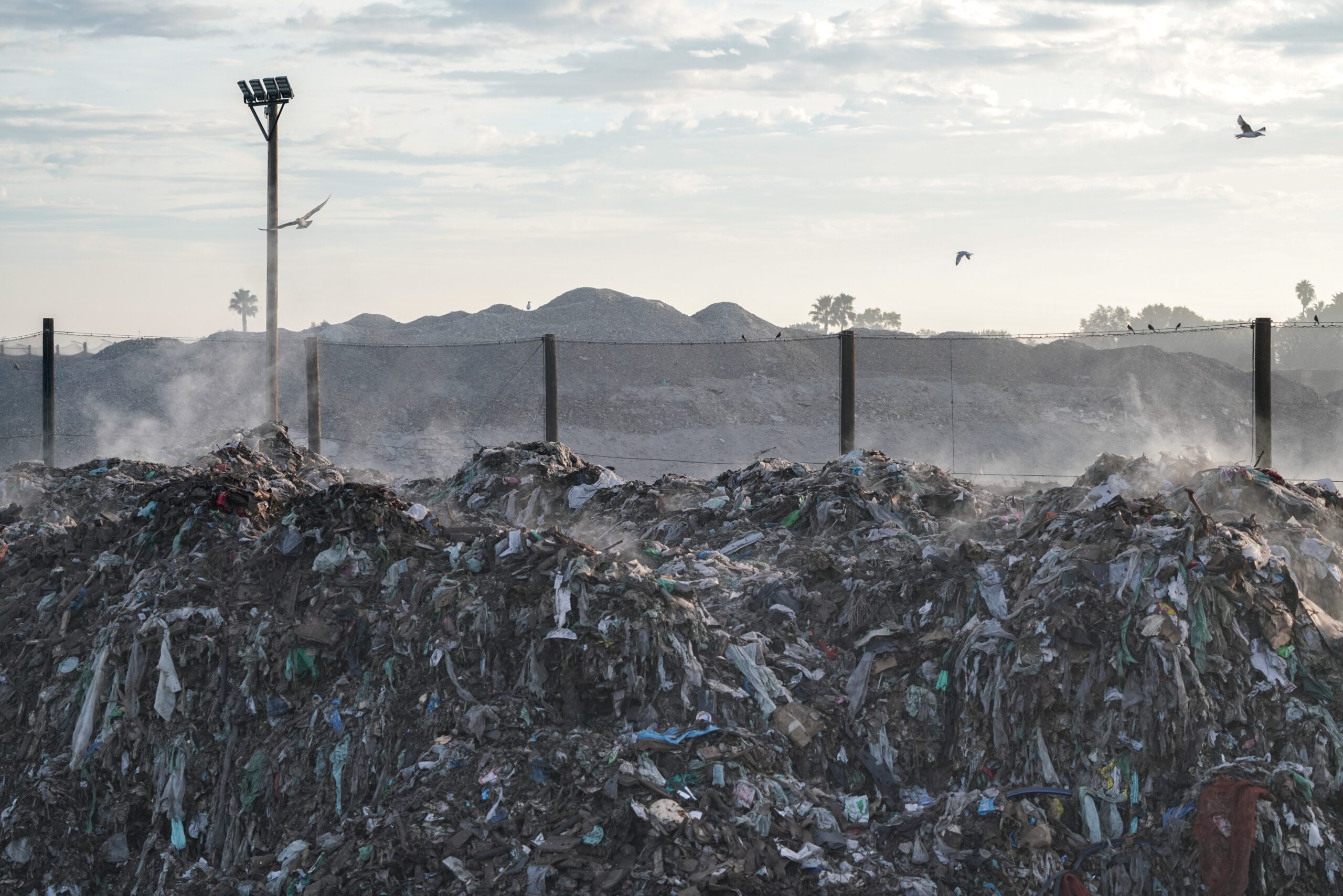
E-waste doesn’t stay neatly contained in landfills. It attacks our environment through three interconnected pathways — air, water, and soil — creating a devastating chain reaction throughout entire ecosystems.
Air Contamination
As reported by the WHO), improper e-waste disposal releases up to 1,000 different chemical substances into our atmosphere through burning and processing. Low-temperature burning of electronics creates toxic dioxins that hang in the air, threatening nearby communities. Workers use acids and desoldering materials to extract precious metals, releasing harmful fumes into residential areas. Manufacturing drives climate damage too — producing just one ton of laptops generates ten tons of carbon dioxide, according to the Geneva Environment Network.
Water Contamination
E-waste toxins infiltrate water supplies through multiple pathways, creating a cascade of environmental destruction. Recyclers often dump acid solutions and processing chemicals directly into streams, ponds, and rivers. Heavy metals like lead, arsenic, and cadmium seep from landfills into groundwater tables. These contaminants decimate marine populations. Toxic materials move through the food chain, concentrating in larger species and eventually reaching human consumption.
Soil Contamination
Heavy metals and flame retardants leach into farmland through contaminated irrigation water. Shredding and burning operations release coarse particles that quickly fall back to earth. These toxins alter soil composition, damaging plant cells and disrupting critical microorganism growth. Agricultural lands near e-waste sites face reduced productivity and potential crop contamination — threatening food security for the very communities already harmed by air and water pollution.
Each improperly recycled device contributes to this toxic legacy. The contamination doesn’t stay local — it moves through ecosystems, food chains, and water systems, extending far beyond any single landfill.
Who Suffers Most From E-Waste Contamination?
The most vulnerable: children, pregnant women, and working families in low-income communities near informal processing sites. The WHO has designated e-waste as a critical threat) to global public health — and the burden falls disproportionately on those with the fewest resources to protect themselves.
An estimated 16.5 million children work in industrial sectors that include e-waste processing, according to the WHO. Young hands, prized for dismantling small devices, expose children to concentrated levels of hazardous materials. Toxic metals can cross the placenta and contaminate breast milk, affecting the next generation before they’re even born.
E-waste exposure triggers severe health consequences across affected communities. Neurological damage from lead exposure is particularly devastating to children’s developing brains. Respiratory issues and increased asthma rates plague communities near processing sites — especially older populations with weaker immune systems. Cancer risks rise significantly among workers and residents in e-waste zones. Birth complications, including stillbirth and premature delivery, increase in exposed populations.
The contamination doesn’t end at the processing site. Workers carry toxins home on clothes and skin, extending exposure to family members. Local food and water sources absorb pollutants, creating ongoing pathways of harm. Medical systems in affected areas increasingly strain under the burden of treating conditions that are entirely preventable.
When we mention numbers, remember: these are real humans. Not just statistics.
What Can Individuals and Businesses Do About E-Waste?
For Individuals: Repair Over Replacement
The most common way people get rid of old devices is to simply throw them in the trash. Never throw electronics into regular trash bins. This practice releases toxins and wastes valuable resources. Instead, drop off or send old devices to certified recyclers who follow strict environmental standards and proper data destruction protocols — like Human-I-T.
New isn’t always better. And it’s definitely not cost-effective. Maintain your devices through regular updates and careful handling to extend their usable life. Consider repairing broken electronics rather than automatically replacing them. Every device that gets a second life is one fewer device leaching lead into someone’s groundwater.
For Businesses: Certified ITAD That Creates Impact
Companies can transform end-of-life technology management through certified ITAD (IT Asset Disposition) services. Professional e-waste partners like Human-I-T ensure compliance with environmental regulations while protecting sensitive corporate data. Businesses recover valuable materials through proper recycling, turning waste streams into revenue opportunities.
NAID AAA certification and ISO standards provide assurance of environmentally sound management practices. Make sure you’re choosing an ITAD partner that holds those vital certifications. Reputable recyclers provide detailed documentation of proper disposal and data destruction — and corporate e-waste programs can significantly reduce landfill impact while enhancing social responsibility initiatives.
By embracing certified recycling and refurbishment practices, businesses do more than manage waste — they invest in community transformation. Forward-thinking organizations recognize that proper e-waste management creates positive environmental and social impact.
How Human-I-T Turns E-Waste Into Digital Equity
At Human-I-T, we see beyond the environmental crisis to a solution that serves both planet and people. Our approach transforms potential e-waste into life-changing opportunities through secure, certified recycling processes. While diverting millions of pounds of electronics from landfills, we simultaneously bridge the digital divide by refurbishing and distributing devices to communities in need.
Our comprehensive ITAD services ensure your organization’s e-waste creates lasting positive impact. We protect your data through NAID AAA-certified destruction processes, provide detailed reporting for compliance, and transform your outdated technology into opportunities for underserved communities. Every device recycled through Human-I-T helps build a more sustainable and equitable future.
Ready to make your e-waste work for both people and planet? Fill out the technology donation form today and take a step toward closing the digital divide while championing the cause of responsible e-waste management. Or contact our ITAD team to discover how proper tech disposal can advance your environmental and social impact goals.
FAQ
How does e-waste affect the environment?
E-waste contaminates air, water, and soil through over 1,000 chemical substances released during improper disposal. Heavy metals like lead, arsenic, and cadmium seep from landfills into groundwater, toxic dioxins enter the atmosphere from low-temperature burning, and flame retardants leach into farmland — reducing crop productivity and entering the food chain.
How much e-waste does the world produce each year?
The world generates 62 million tonnes of electronic waste annually, according to the Global E-waste Monitor 2024. Only 22.3% reaches proper recycling facilities. The United States alone discards nearly 8 million tons per year — roughly 47 pounds per person — making it the world’s second-largest e-waste contributor.
Why is e-waste recycling not enough to solve the problem?
Manufacturing outpaces recycling by a factor of five, and small electronics — which dominate waste streams — see recycling rates of just 12%. Planned obsolescence and limited repairability ensure devices reach end-of-life faster than recycling infrastructure can handle. Refurbishment and extending device lifespans through repair are critical complements to recycling.
What is the safest way to dispose of old electronics?
Never throw electronics in regular trash. Donate or send devices to certified e-waste processors who follow strict environmental and data destruction standards. Organizations like Human-I-T are NAID AAA-certified and R2-compliant — meaning your devices are either responsibly recycled or refurbished and distributed to families who need them, supporting both environmental sustainability and digital equity.
How can businesses responsibly manage their e-waste?
Partner with a certified ITAD provider like Human-I-T that holds NAID AAA certification and meets ISO standards. Professional ITAD services ensure regulatory compliance, secure data destruction with documented chain-of-custody, and recovery of valuable materials — while transforming outdated corporate technology into opportunities for underserved communities.