
TL;DR: Donating to a certified organization like Human-I-T is the best way to dispose of old electronics—it keeps hazardous materials out of landfills, protects your personal data, and connects working technology to families who need it. Throwing away electronics is illegal in 25 U.S. states and over 80 countries, and only 22.3% of global e-waste gets properly handled. Before you toss that old laptop in the trash or a recycling bin, check whether it qualifies for donation.
Introduction
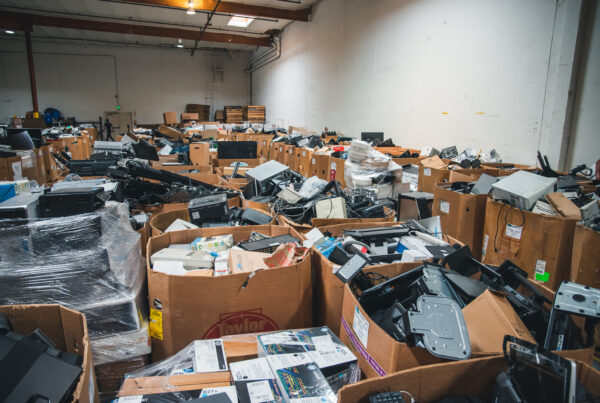
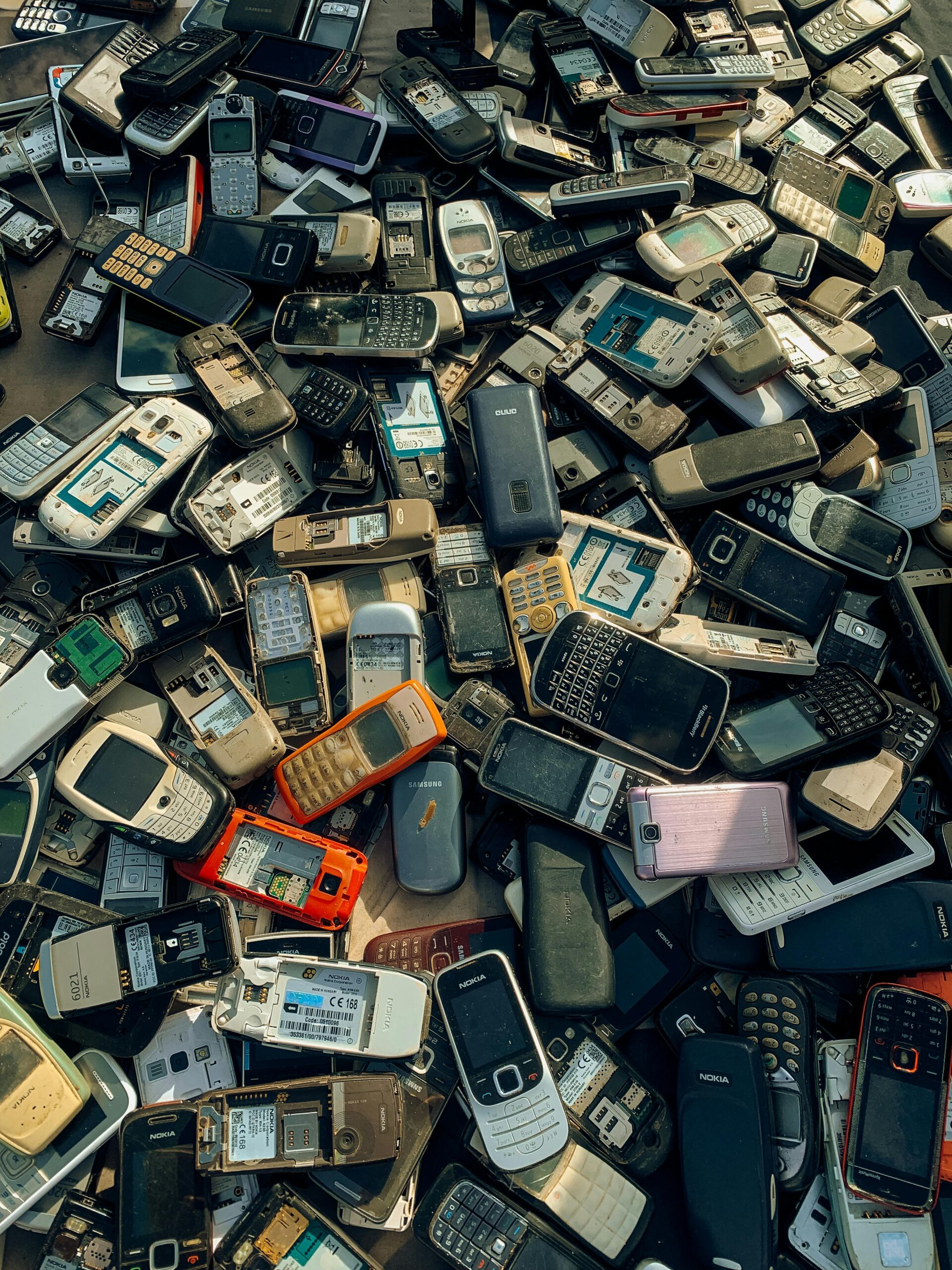
The average American household owns 24 consumer electronics products. Globally, we generate around 62 million metric tons of electronic waste every year—the equivalent of throwing away over 69 million laptops every single day, according to the United Nations Environment Programme. That stack of old phones cluttering your drawer and the laptop you replaced last year aren’t just clutter. They’re part of a growing environmental crisis.
Here’s the part most people don’t realize: tossing old electronics in the trash is actually illegal in 25 U.S. states and over 80 countries. And only 22.3% of global e-waste gets properly collected and processed. Your next disposal decision could literally be breaking the law.
Whether you’re finally tackling that home office cleanout or managing corporate IT asset replacement, understanding your options can transform environmental waste into community empowerment. But first, you need to know what’s actually at stake when you choose convenience over responsibility.
Table of Contents
- Why is it bad to throw away electronics?
- What are the common ways to get rid of old electronics?
- Is it worth it to donate old technology?
- How do I know if my device qualifies for donation?
- When should I recycle my electronics instead?
- Why donate technology to Human-I-T?
- FAQ
Why is it bad to throw away electronics?
Three reasons: it’s often illegal, it exposes your personal data, and it poisons communities. Each one deserves a closer look.
Steep fines for improper e-waste disposal
Tossing that broken tablet in your office trash bin isn’t just environmentally irresponsible—it could land you with hefty fines. The 25 states that have explicitly banned electronics from landfills affect 65% of the American population. New York slaps violators with $100 fines per incident, while Illinois imposes $25 penalties for first-time offenders. Connecticut, Indiana, New Hampshire, and Vermont are also among the states that ban electronics from trash bins.
Companies big and small aren’t immune either. Costco, Walgreens, and Telecom have all faced substantial government penalties for employee negligence in e-waste handling. Target has paid millions in penalties for improper hazardous material disposal. These aren’t oversights. They’re the cost of treating toxic waste like ordinary trash.
Data security risks from simply disposing of electronics
Standard e-waste disposal methods offer zero data security guarantees. That means your personal information, passwords, and financial records are completely accessible to anyone willing to dig.
Healthcare organizations, legal firms, and financial institutions face serious compliance violations when client data ends up improperly disposed of. Even seemingly harmless devices store fragments of sensitive information that identity thieves actively seek out. And most people don’t realize that simply deleting files doesn’t actually remove data from hard drives. Every carelessly discarded device becomes a potential goldmine for cybercriminals hunting through electronic graveyards.
Environmental harm from improper e-waste disposal
Electronic waste makes up just 2% of landfill mass yet accounts for 70% of all toxic materials buried underground. That disproportion is staggering.
Mercury from computer monitors seeps into groundwater, causing muscle weakness and memory problems in nearby communities. Beryllium oxide from computer towers creates chronic lung diseases. Sulfur in batteries damages kidneys and hearts permanently. Lead, cadmium, and chromium—heavy metals lurking inside everyday devices—leach through soil layers, contaminating drinking water for decades. It’s not an abstract environmental concern. It’s a health nightmare hitting working families and underserved communities hardest.
What are the common ways to get rid of old electronics?
Most people assume electronics belong in recycling bins, but this creates unexpected hazards. Standard recycling is the second most unsafe way to dispose of electronic devices—right behind throwing them in the trash.
Broken devices contaminate entire batches of recyclable materials, while manual sorting workers face safety risks from sharp fragments and toxic exposure. You think you’re doing a good thing by tossing your electronics in a recycling bin. But it turns out it’s not that helpful.
Even legitimate recycling facilities struggle with fundamental problems. Energy-intensive shredding processes create substantial carbon footprints. Functional devices get unnecessarily destroyed instead of getting a second life with someone who needs them. And much "recycled" e-waste gets exported to developing countries with minimal environmental protections, poisoning local communities. The throwaway culture doesn’t stop at the recycling bin—it just shifts the burden.
Is it worth it to donate old technology?
Yes. Donating to a trustworthy certified organization is the best way to dispose of electronic devices you no longer need. It addresses every disposal limitation while creating real social impact.
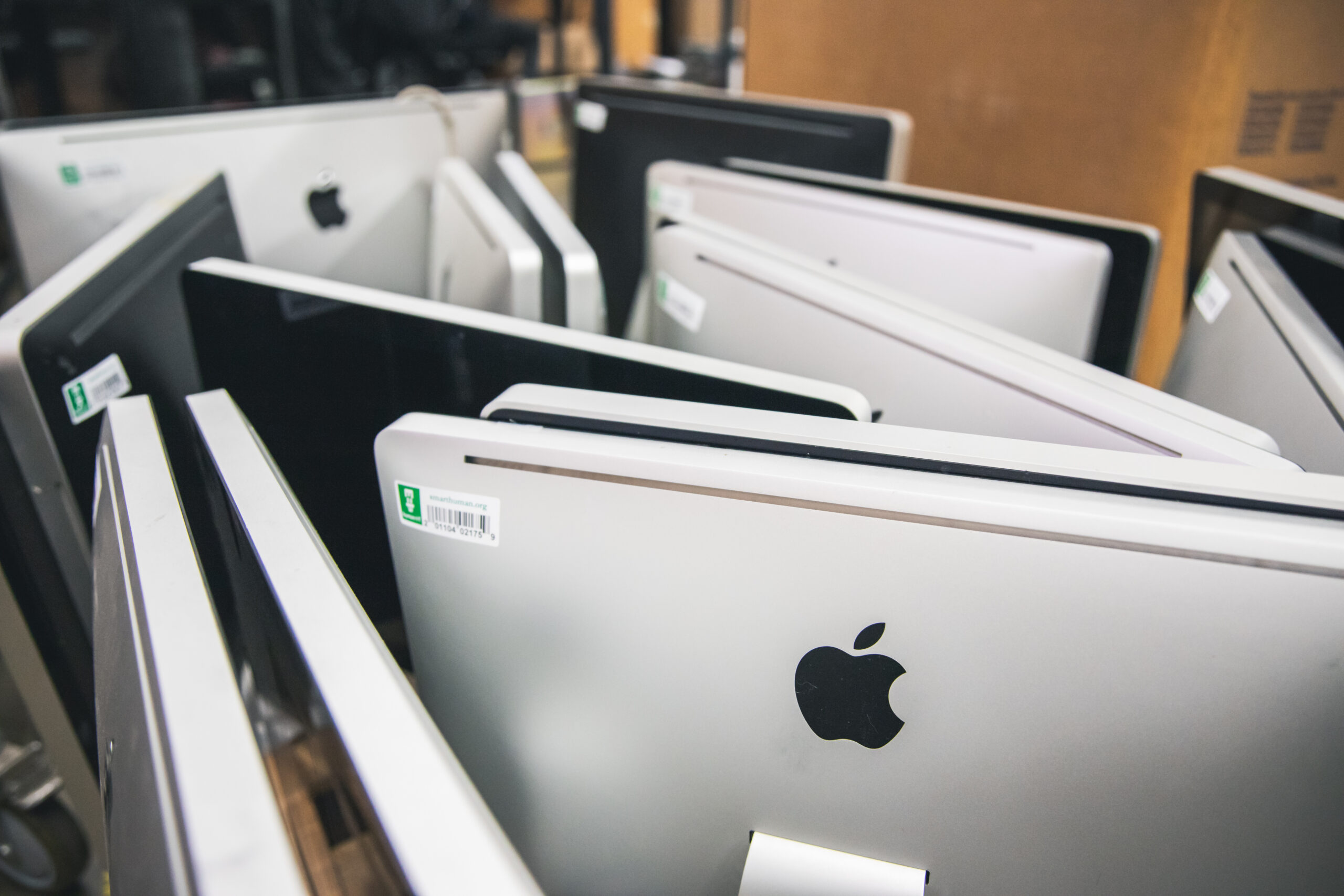
Certified organizations like Human-I-T extend device lifespans by connecting working technology to the over 100 million Americans lacking adequate digital access. They also provide secure data destruction with verification documentation that exceeds recycling protections. Preparing your device for donation is something you should do even if you ultimately recycle it.
This approach transforms waste into community empowerment tools—putting refurbished laptops into the hands of single parents pursuing job training, students completing coursework, and families accessing essential healthcare services—all while maintaining the highest security standards.
How do I know if my device qualifies for donation?
Age is the main factor. Devices generally less than five years old keep enough processing power for the modern applications needed for education and employment. Your functionality checklist should verify that the device:
- Powers on reliably and displays properly on screens
- Runs current operating systems like Windows 10/11 or recent macOS
- Maintains reasonable battery life for portable devices
If your device meets these criteria, it can be turned into a tool for accessing education, job opportunities, and essential healthcare services for working families in your community.
When should I recycle my electronics instead?
Devices that won’t power on, have broken screens, or suffer major hardware failures require certified recycling rather than donation. But "requires recycling" doesn’t mean "toss in any bin."
These non-functional devices still contain valuable components and materials that responsible recyclers can recover through proper channels. Certified recycling prevents toxic materials from entering landfills while reclaiming precious metals for manufacturing. The key word is certified—not all recyclers operate with equal standards.
Why donate technology to Human-I-T?
Human-I-T makes it simple for individuals and organizations to safely dispose of electronic devices. We’re certified ITAD providers and recyclers—so what can’t be refurbished and donated gets responsibly and sustainably recycled. Donate, don’t just recycle.
For individual donors: Call 888-391-7249 or visit human-i-t.org, where we provide prepaid shipping boxes or convenient facility drop-off locations.
For organizations: We offer professional on-site pickup services using GPS-tracked trucks with complete documentation throughout transport.
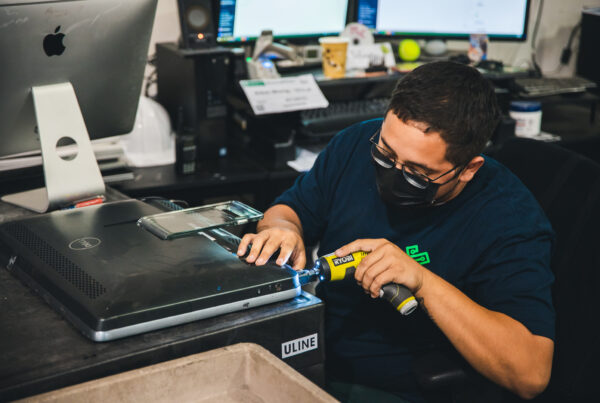
Every donation receives industry-leading data destruction that completely wipes your personal information. Think of it as digital shredding that makes recovery impossible—even for experts with specialized software.
Complete handling and documentation
Our certified facilities employ background-checked staff and advanced security systems, ensuring professional handling from collection through community distribution. You receive official certificates confirming your data has been completely destroyed, plus tax-deductible donation receipts for your records. Refurbished devices get fresh operating system installations and quality testing before reaching families who gain access to digital literacy training and ongoing technical support.
FAQ
Can I throw away old electronics in the regular trash?
In 25 U.S. states and over 80 countries, throwing away electronics is illegal. Even where it’s technically legal, it’s environmentally harmful—e-waste accounts for 70% of toxic materials in landfills despite making up only 2% of landfill mass. Fines range from $25 in Illinois to $100 per incident in New York.
Is recycling electronics better than donating them?
Not if the device still works. Standard recycling destroys functional devices, generates a significant carbon footprint through energy-intensive shredding, and often results in e-waste being exported to countries with weak environmental protections. Donation to a certified organization like Human-I-T extends the device’s lifespan, provides data security documentation, and connects technology to families who need it.
What happens to my personal data when I donate electronics?
At Human-I-T, every donated device undergoes industry-leading data destruction that makes recovery impossible—even for experts with specialized software. You receive an official certificate confirming complete data sanitization, plus a tax-deductible donation receipt. Start your donation today and keep e-waste out of landfills while closing the digital divide.
What devices does Human-I-T accept for donation?
Devices generally less than five years old that power on reliably, run current operating systems (Windows 10/11 or recent macOS), and maintain reasonable battery life qualify for donation and refurbishment. Devices that don’t meet these criteria are still accepted—we responsibly recycle what can’t be refurbished.
How do I donate electronics to Human-I-T?
Call 888-391-7249 or visit human-i-t.org. Individual donors receive prepaid shipping boxes or can use convenient drop-off locations. Organizations can schedule professional on-site pickups with GPS-tracked trucks and full chain-of-custody documentation. Fill out the technology donation form today and take a step toward closing the digital divide while championing responsible e-waste management.