

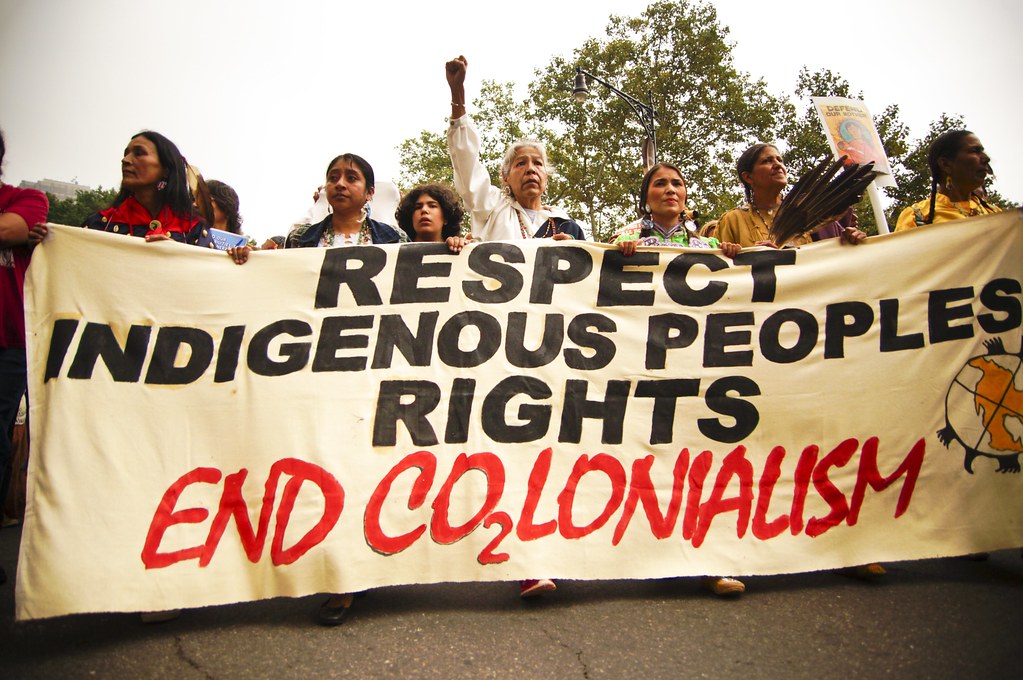
TL;DR
Indigenous communities are 1.8 times more likely than any other ethnic group to live near toxic waste facilities — and many of the states with the highest indigenous populations still lack e-waste landfill bans, leaving reservations as dumping grounds for our discarded electronics. The world generated 62 million metric tons of e-waste in 2022, with less than 20% ever reaching a recycling center. You can help break this cycle by donating your used devices instead of trashing them, extending their lifespan and keeping toxic materials off indigenous lands.
Table of Contents
- Why Is E-Waste a Unique Threat to Indigenous Communities?
- What Health and Environmental Damage Does E-Waste Cause on Indigenous Lands?
- How Does E-Waste Destroy Indigenous Cultural Heritage?
- What Can Be Done to Protect Indigenous Communities from E-Waste?
- FAQ
Here’s a mind-bender: in the same states where you can’t buy alcohol on Indigenous reservations due to strict regulations, there are zero laws preventing the dumping of electronic waste on these same lands.
This legal loophole has turned many indigenous territories into unofficial graveyards for our digital past. That old flip phone you had in 2005? There’s a chance it’s sitting in a landfill on Indigenous land right now, slowly leaking toxic chemicals into the soil.
It sounds like the plot of a dystopian novel. It’s the reality of e-waste disposal in America today.
Why Is E-Waste a Unique Threat to Indigenous Communities?
Because the states with the highest concentrations of indigenous people are among the least likely to have laws banning e-waste from landfills — and indigenous communities are systematically targeted for toxic waste disposal.
As production and consumption of electronic devices has continued to skyrocket, electronic waste has become a mounting global crisis. In 2022 alone, the world generated a staggering 62 million metric tons of e-waste — and according to the Global E-waste Monitor 2024, that figure is projected to reach 82 million metric tons by 2030. Yet less than 20% of all e-waste ever reaches a recycling center. The rate of e-waste production is rising five times faster than the growth rate of e-waste recycling. We are trashing our planet with literal mountains of electronics, and we’re doing it more than ever.
This crisis is not felt equally. According to ERI, by the end of 2025, only about half of U.S. states had mandated electronics recycling. While some states like Nevada are beginning to enact new electronics and battery EPR laws taking effect in 2026, many states with large indigenous populations — including Arizona, New Mexico, Oklahoma, Kansas, North Dakota, South Dakota, Minnesota, Wyoming, and Alaska — still lack comprehensive e-waste disposal bans. This regulatory gap leaves these communities particularly vulnerable to the hazards of improper e-waste disposal.
E-waste is just one facet of a broader pattern of environmental injustice. More than half of Asian/Pacific Islanders and Indigenous People live in close proximity to uncontrolled toxic waste sites. In California, two of the state’s most heavily used toxic waste landfills are situated near Indigenous reservations. Indigenous people are 1.8 times more likely than any other ethnic group to reside near toxic waste facilities.
This proximity is not a coincidence. There has been systematic targeting of reservations for toxic waste disposal, exploiting the economic vulnerabilities of these communities. Within a 50-mile radius of tribal lands, there are approximately 200 methane and/or coal power plants. Indigenous people are disproportionately likely to live within half a mile of oil and gas facilities, further compounding their exposure to environmental pollutants.
The consequences show up in stark health disparities. The diabetes rate among Indigenous People and Alaska Natives stands at an alarming 16.1%, significantly higher than other racial groups. Cancer takes a heavier toll too — indigenous populations experience the lowest cancer survival rates of any racial group in the United States. Overall mortality rates are 60% higher for Alaska Natives and twice as high for Indigenous People compared to the general U.S. population.
Life expectancy for indigenous people is five years shorter than that of other Americans. 13% of indigenous children suffer from asthma, compared to 8.6% of non-indigenous children. The risk of dying from diabetes is 2.5 times higher for indigenous people than for non-Hispanic whites. Heart disease occurs at rates about 50% higher than their white counterparts. During the COVID-19 crisis, the mortality rate among indigenous people was 1.8 times that of white people.
The convergence of the e-waste crisis with existing environmental injustices and health disparities creates a perfect storm of risk for indigenous communities.
What Health and Environmental Damage Does E-Waste Cause on Indigenous Lands?
E-waste is a toxic cocktail of heavy metals and persistent organic pollutants that poisons soil, water, air, and food sources — and the people most exposed are children and pregnant women in communities already suffering from environmental injustice.
The composition of electronic waste is designed to wreak havoc on living organisms. These hazardous materials find insidious pathways into our bodies and environment through inhalation, ingestion, and even dermal absorption. The contamination spreads far beyond the immediate disposal sites, permeating soil, dust, air, water, and food sources.
The developmental impacts are particularly devastating. Neonatal growth indices and hormone levels face significant disruption, leading to poor fetal development. The effects show up as reduced birth weight, smaller head circumference, lower body-mass index, and diminished Apgar scores — all indicators of a compromised start to life. As these children grow, they often exhibit poorer cognitive and language scores, struggling to keep pace with their peers. Many grapple with sensory processing difficulties and behavioral abnormalities that can persist throughout their lives.
The endocrine system doesn’t escape unscathed. E-waste exposure disrupts thyroid function and alters sex hormone levels, potentially triggering a cascade of health issues. The immune system falls victim too — children exposed to e-waste show alteration of proinflammatory cytokines, while adults may experience reduced erythrocyte immunity, leaving them more susceptible to illness.
At the cellular level, the damage is equally alarming. Pregnant women and residents in e-waste-exposed areas exhibit telomere aberration — a sign of accelerated cellular aging. Increased micronucleus rates indicate genotoxicity, meaning damage to our very genetic material. Elevated oxidative stress markers further underscore the body’s struggle against these toxic invaders.
Children aged 2–8 years living in e-waste-exposed areas show accelerated respiratory symptoms and lower lung function levels, while cardiovascular health deteriorates through vascular inflammation, lipid disorders, and elevated plasma norepinephrine levels. The list goes further: increased risk of hearing loss, lower semen quality and DNA damage in men, abnormal liver function, and increased dental caries in exposed children.
How Does E-Waste Destroy Indigenous Cultural Heritage?
E-waste contamination doesn’t just poison bodies — it erodes the cultural practices, traditional knowledge systems, and ancestral connections that define Indigenous communities.
Native plants used for traditional medicine, food crops, and trees all fall victim to pollutants released by improper e-waste disposal. Ground-level ozone — a byproduct of electronic waste — is responsible for up to 90% of air pollution injury to plants. Many crops vital to Indigenous communities are particularly susceptible to this damage, threatening not just health but food security and cultural practices that have endured for centuries.
The cultural consequences cut deep. Traditional practices become untenable in contaminated environments. Climate change, exacerbated by pollution, forces the relocation of entire communities, severing ties to ancestral lands. The inability to practice traditional activities safely impedes the transmission of cultural knowledge to younger generations. Even language faces erosion — vocabulary surrounding subsistence activities like fishing falls into disuse when contamination makes those practices dangerous.
This creates a vicious cycle: environmental degradation leads to health crises, which undermine communities’ ability to maintain their cultural practices and traditional knowledge. When we mention numbers, remember: these are real humans. Not just statistics.
What Can Be Done to Protect Indigenous Communities from E-Waste?
Protecting indigenous communities requires stronger regulations, better infrastructure, tribal sovereignty over waste management, and individual action — including donating devices instead of discarding them.
At the federal level, the Environmental Protection Agency’s Tribal Waste Management Program has provided crucial financial assistance and technical support to tribal communities. To date, the EPA has awarded 120 grants totaling around $8.5 million. While that sum represents an important investment, it is nowhere near enough. More recently, the EPA has opened $20 million in SWIFR grant funding specifically for tribes and intertribal consortia to address solid waste infrastructure challenges — a meaningful step, but still a fraction of what’s needed.
Tribal jurisdiction and infrastructure gaps
Many tribes lack the legal authority to enforce waste management rules, particularly on "fee lands" owned by non-tribal members within reservation boundaries. This jurisdictional gap makes it difficult to prevent illegal dumping and ensure proper disposal.
Infrastructure presents another significant hurdle. Many tribal communities are located in rural or remote areas — unpaved roads, widely dispersed populations, and limited access to recycling facilities all compound the challenge. Financing is equally difficult. As sovereign nations, many tribal lands do not generate tax revenue the way other municipalities do. Some tribes, like the Saint Regis Mohawk Tribe, have found success through innovative approaches: blue bag programs, transfer station fees, and contributions from tribal businesses.
Tribal communities are leading the way
In light of lagging federal action, tribal communities themselves are taking proactive steps. Many are transitioning away from outdated practices like open dumps and burn barrels, moving toward sustainable solutions such as transfer stations. These efforts reduce environmental contamination and create safer, healthier living conditions.
These solutions are noble. But it should not be left to indigenous people to piecemeal their health and safety alone.
What you can do right now
Individual action plays a vital role. This is where the power of device donation comes into play. Donating your used technology extends the usable lifespan of devices, reducing the demand for new production. In turn, this lessens the strain on natural resources and decreases the overall environmental footprint of the tech industry. It also provides vital access to technology for underserved communities, bridging the digital divide and opening doors to educational and economic opportunities.
Beyond donation, we must advocate for stronger e-waste regulations — particularly in the states that still lack protections — and for indigenous communities to have the final say over what happens with waste on their lands. Contact your local representatives. Support ballot initiatives addressing e-waste and environmental justice. The journey ahead may be long, but each step moves us closer to a future where technology empowers all communities instead of poisoning the most vulnerable.
FAQ
Why are Indigenous communities disproportionately affected by e-waste?
Indigenous communities are 1.8 times more likely than any other ethnic group to live near toxic waste facilities. Many states with high indigenous populations still lack e-waste landfill bans, and reservations have been systematically targeted for waste disposal due to regulatory gaps and economic vulnerabilities.
How does e-waste contamination affect children on Indigenous lands?
Children are among the most vulnerable. E-waste exposure causes reduced birth weight, poor cognitive and language development, increased asthma rates, lower lung function, hearing loss, and accelerated cellular aging. Children aged 2–8 in e-waste-exposed areas show particularly severe respiratory impacts.
What is the EPA doing to address e-waste on tribal lands?
The EPA’s Tribal Waste Management Program has awarded 120 grants totaling approximately $8.5 million, and the agency has opened an additional $20 million in SWIFR grant funding to support tribal solid waste infrastructure. Significant funding and jurisdictional gaps remain.
How can I help reduce e-waste on Indigenous lands?
The most direct action is to donate your used technology to Human-I-T instead of throwing it away. We refurbish donated devices and distribute them to underserved communities, extending the lifespan of electronics, keeping hazardous materials out of landfills, and bridging the digital divide — all at once. Donate, don’t recycle.
Which states still lack e-waste disposal bans?
As of early 2026, roughly half of U.S. states still lack mandated electronics recycling. While some states like Nevada are enacting new laws, many states with large indigenous populations — including Arizona, New Mexico, Oklahoma, Kansas, North Dakota, South Dakota, and Alaska — still have no comprehensive e-waste disposal bans in place.
Take action today. Fill out the technology donation form and take a step toward closing the digital divide while keeping toxic e-waste off indigenous lands. Every device donated is one less piece of hazardous waste threatening our most vulnerable communities.