
TL;DR: Modern data center equipment can perform effectively for a decade or more — well beyond the three-to-five-year replacement cycle that OEMs push. Storage failure rates remain between 0.1–0.2% even after five years of continuous operation, and third-party maintenance can cut support costs by 50–70%. Stop following artificial upgrade timelines. Start managing equipment lifecycles strategically — and when hardware truly reaches end of life, partner with a certified ITAD provider like Human-I-T to give it a second life.
Table of Contents
- Why Do Tech Giants Want You to Replace Equipment Every 3–5 Years?
- What Does Premature Replacement Actually Cost?
- What’s the Environmental Price of the Upgrade Cycle?
- How Long Does Modern Data Center Hardware Really Last?
- What Maintenance Strategies Extend Equipment Life?
- How Can You Redeploy Aging Equipment Instead of Scrapping It?
- What’s the ROI of Extending Equipment Lifecycles?
- FAQ
Every boardroom faces the same expensive myth about data center equipment lifespan. Tech giants push a compelling narrative: replace your data center equipment every three to five years, or risk falling behind.
This narrative thrives on fear. OEM warranties conveniently expire after three years, while sleek marketing campaigns showcase the latest innovations. The message is clear — upgrade or become obsolete.
Here’s what they don’t advertise: premature equipment replacement bleeds your budget dry. Microsoft challenged this wasteful cycle directly, extending their cloud server lifespan from four to six years. Moore’s Law has slowed, meaning today’s hardware nearly matches newer models in capability. Yet organizations keep discarding viable equipment — burning money and resources chasing an artificial upgrade cycle designed to boost OEM revenue, not your bottom line.
Why Do Tech Giants Want You to Replace Equipment Every 3–5 Years?
Because planned obsolescence sells hardware. OEM warranties expire conveniently after three years. Marketing campaigns showcase marginal improvements as revolutionary leaps. The entire ecosystem — from sales teams to financing structures — is engineered to extract maximum spending on unnecessary upgrades.
Early adopters pay dearly for being first, discovering the most flaws in new equipment. Significant microcode updates plague the first two years of a product’s lifespan, consuming precious IT resources with each fix. System compatibility throws another wrench into operations as new equipment conflicts with existing infrastructure.
Meanwhile, real-time monitoring shows existing systems maintain reliability far longer than expected. The replacement cycle isn’t driven by performance degradation. It’s driven by profit margins.
What Does Premature Replacement Actually Cost?
Far more than the sticker price of new hardware. Emergency repairs devastate budgets twice — first with rushed hardware costs, then with premium labor rates for immediate fixes. Third-party maintenance could save organizations 50–70% on support costs, yet many continue following this costly reactive cycle.
These visible costs only scratch the surface. Behind every premature upgrade lies a cascade of hidden expenses: productivity losses during migrations, reduced system capacity during transitions, and disrupted customer-facing services. Organizations routinely discover hundreds of thousands of dollars worth of perfectly usable servers sitting idle in data center corners.
Fresh interfaces demand extensive staff training while documentation remains incomplete. Your experienced team becomes novices again, grappling with support channels that lack solutions for emerging problems. That’s not innovation — that’s manufactured inefficiency.
What’s the Environmental Price of the Upgrade Cycle?
Manufacturing creates 24% of a data center’s carbon footprint before the equipment processes its first byte. Operational use accounts for the remaining 76% of emissions. Every premature replacement triggers that upfront environmental cost all over again — a cycle of unnecessary energy consumption that efficiency gains rarely offset.
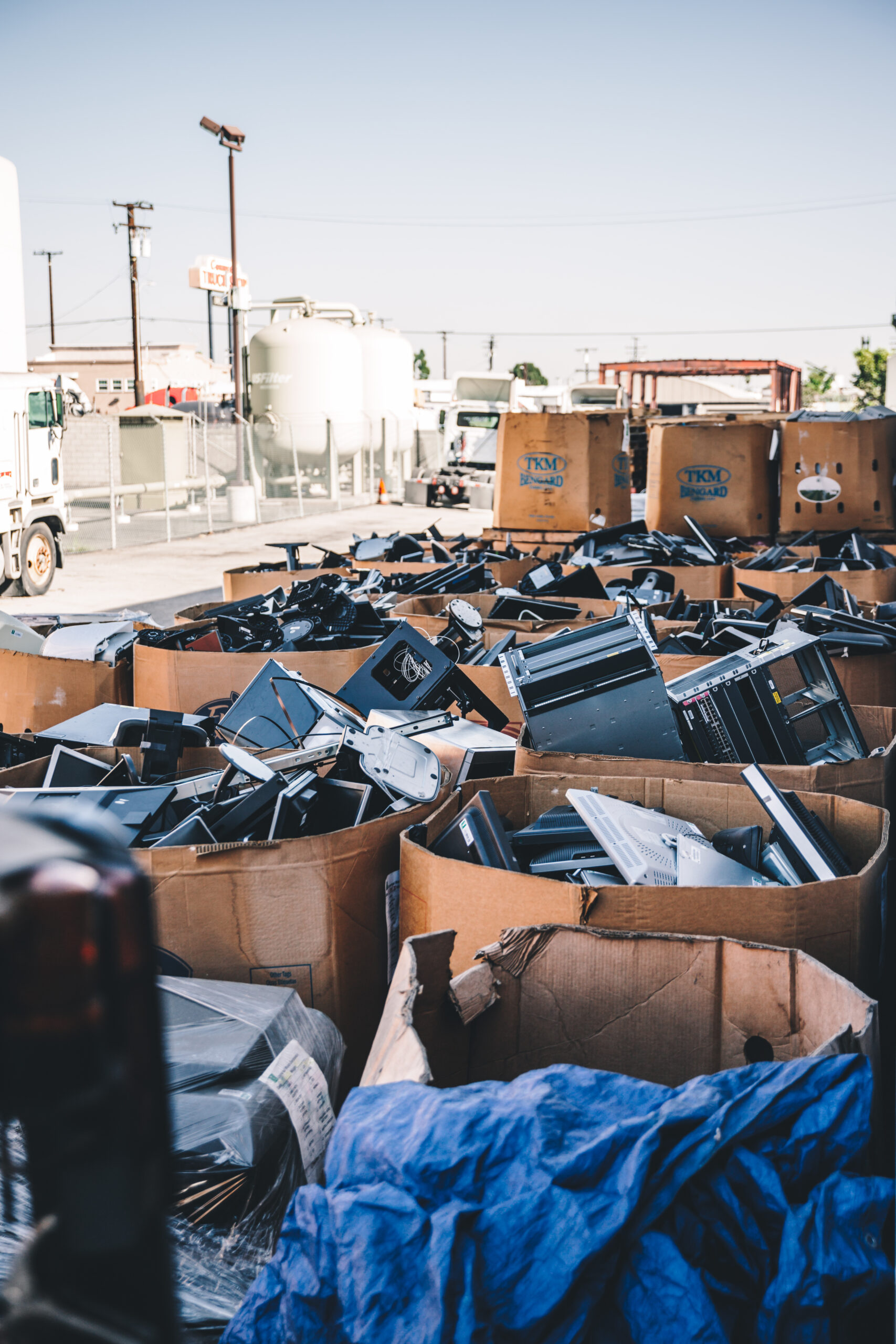
As discarded hardware fills processing facilities, toxic materials like lead, mercury, and flame retardants leach into soil and groundwater. These facilities struggle to manage ever-increasing volumes of premature e-waste.
Industry leaders have already proven a better path exists. Google has resold over 44 million hardware components since 2015. HPE processes three million units yearly with a 90% reuse rate. Their success demonstrates how extending equipment life aligns business growth with environmental responsibility — and makes the throwaway culture in data centers look like the reckless waste it is.
How Long Does Modern Data Center Hardware Really Last?
Much longer than marketing suggests. Storage failure rates hover between 0.1–0.2% even after five years of continuous operation — a figure consistent with 2025 Backblaze Drive Stats reports showing similar annualized failure rates across enterprise-grade drives. The myth of rapid deterioration is exactly that: a myth.
This reliability stems from a crucial shift in computing evolution. Moore’s Law’s slowdown means performance gains between hardware generations have plateaued, fundamentally changing the upgrade equation. Service Express’s analysis of over 500,000 devices proves equipment consistently delivers reliable service well beyond standard replacement cycles.
With proper maintenance, modern data center equipment can function effectively for a decade or more. Instead of chasing marginal improvements, organizations can focus on optimizing existing infrastructure through strategic maintenance and monitoring.
What Maintenance Strategies Extend Equipment Life?
Three approaches — condition-based maintenance, smart component management, and environmental optimization — work together to push equipment well past its "expected" lifespan.
Condition-Based Maintenance
AI-driven algorithms continuously monitor performance metrics, analyzing patterns 24/7 to detect subtle changes that signal potential issues. These systems transform raw data into actionable insights through real-time collection and analysis. By generating component-specific alerts and detailed health scores, teams pinpoint exactly where and when to focus maintenance efforts. Machine learning algorithms predict potential failures weeks before they occur, enabling scheduled maintenance during planned downtime instead of costly emergency repairs.
Smart Component Management
Strategic component management starts with understanding each part’s lifecycle potential. While some components may need replacement, others — like high-value GPUs and networking equipment — often retain significant operational and market value well beyond standard lifecycles. Health analysis scores guide strategic choices about which components to upgrade, maintain, or continue operating at peak efficiency, eliminating guesswork from lifecycle planning.
Environmental Optimization
Sophisticated airflow management systems extend equipment life through precise temperature control. Smart monitoring and regular equipment recalibration maintain peak efficiency levels throughout extended lifecycles. These environmental controls work in concert with monitoring systems to create ideal operating conditions — maximizing hardware longevity while minimizing energy consumption and operational costs.
How Can You Redeploy Aging Equipment Instead of Scrapping It?
Production servers often find perfect second careers powering development environments or handling backup operations. Thin client implementations transform aging servers into powerful virtual desktop hosts, maximizing resource utilization while providing flexible, scalable solutions for evolving business needs.
Externally, a thriving ecosystem of specialized vendors helps organizations capture residual value from older equipment. HPE’s success in processing three million units yearly with a 90% reuse rate demonstrates the scale of these opportunities.
Third-party maintenance specialists dramatically extend equipment usefulness while reducing support costs by 50–70% compared to OEM pricing. And vendors like Human-I-T offer certified refurbishment services — extending the life of donated data center equipment so it can bridge the digital divide for working families who need technology most. This combination of extended life and reduced costs creates compelling financial benefits while supporting your data center’s ESG goals.
What’s the ROI of Extending Equipment Lifecycles?
The financial case is overwhelming. Data centers that extend equipment life stand to save thousands to hundreds of thousands of dollars annually. Equipment familiarity cuts incident response times in half while slashing training expenses. Strategic maintenance planning reduces total cost of ownership well beyond support savings alone.
Organizations leveraging predictive maintenance spend 8–12% less on emergency repair costs and 40% less than those relying on reactive maintenance. Advanced monitoring transforms maintenance from a cost center into a strategic asset.
Extended lifecycles also boost Environmental, Social, and Governance (ESG) scores. Reducing environmental waste, carbon emissions, and water usage through the very act of maintaining data center equipment is a measurable win — one that attracts sustainable investment funds and enhances stakeholder value.
Using a third-party ITAD provider like Human-I-T to manage the full lifecycle of your equipment is an additional step in improving environmental impact. It’s also a cost-effective and more secure way to handle equipment that has truly reached end of life — ensuring responsible disposal instead of landfill dumping.
Each year of extended operation saves the planet and your budget. Multiplied across your entire data center infrastructure, the impact transforms your corporate environmental profile.
FAQ
How long can data center equipment actually last?
With proper maintenance and strategic lifecycle management, modern data center equipment can function effectively for a decade or more. Storage failure rates remain between 0.1–0.2% even after five years of continuous operation, and Moore’s Law’s slowdown means performance gaps between hardware generations have narrowed significantly.
Is third-party maintenance as reliable as OEM support?
Yes — and significantly cheaper. Third-party maintenance providers save organizations 50–70% on support costs compared to OEM pricing. Service Express’s analysis of over 500,000 devices confirms that equipment consistently delivers reliable service well beyond standard OEM warranty periods.
What should I do with data center equipment that’s truly at end of life?
Don’t send it to a landfill. Partner with a certified ITAD provider that prioritizes refurbishment and reuse over destruction. Human-I-T’s ITAD services include secure data destruction, certified refurbishment, and responsible disposition — giving your retired equipment a second life while closing the digital divide for underserved communities. Fill out our technology donation form to get started.
Does extending equipment lifecycles actually help with ESG goals?
Absolutely. Manufacturing accounts for 24% of a data center’s total carbon footprint. Every year you extend equipment life, you avoid that upfront environmental cost. Combined with reduced e-waste and lower energy consumption from avoided migrations, lifecycle extension creates measurable, reportable sustainability improvements that enhance ESG scores and attract sustainable investment.
How much can predictive maintenance save my data center?
Organizations using predictive maintenance spend 8–12% less on emergency repair costs and 40% less than those relying on reactive maintenance strategies. The savings compound when paired with extended equipment lifecycles, reduced training costs from hardware familiarity, and eliminated unnecessary upgrade spending.