
TL;DR
Human-I-T and Cisco have partnered since 2020 to refurbish discarded technology and channel it directly into classrooms in cities like Detroit and Los Angeles — tackling the e-waste crisis and the digital divide simultaneously. The world now generates 62 million metric tons of e-waste annually, yet only about 17% is formally recycled. If your organization has aging tech sitting in closets or warehouses, donate it to Human-I-T and turn a disposal problem into educational opportunity.
Table of Contents
- Why does e-waste matter for digital equity?
- What are Human-I-T and Cisco doing together?
- How does the ERP system change the game?
- What does this partnership mean for the future?
- FAQ
Introduction
The world generated 62 million metric tons of e-waste in 2022, according to the Global E-waste Monitor 2024 — enough to fill 1.5 million transport trucks. That figure is climbing at roughly 2.6 million tonnes per year, with projections hitting 82 million tonnes by 2030. And yet, only about 17% of that waste is formally collected and recycled. The rest? Landfills, informal scrap yards, and shipping containers bound for communities already bearing the brunt of environmental injustice.
Meanwhile, millions of students in cities like Detroit and Los Angeles lack the devices they need for basic education. The irony is brutal: mountains of functional technology get discarded while working families can’t afford a laptop for their kids.
Human-I-T, backed by Cisco’s investment and technological expertise, is attacking both problems with a single strategy — intercepting e-waste, refurbishing it, and putting it directly into classrooms. This isn’t recycling for recycling’s sake. It’s a circular model built on the conviction that discarded tech can become a lifeline.
Why Does E-Waste Matter for Digital Equity?
Because every device that gets trashed is a device that could have connected a student to opportunity. The environmental crisis and the digital divide are two sides of the same coin — and solving one without the other is a missed opportunity of staggering proportions.
The numbers make the case. According to the Global E-waste Monitor 2024, global e-waste generation reached 62 million tonnes in 2022, averaging 7.8 kg per person. Countries like China, the US, and India top the production charts, and global e-waste production has grown five times faster than formal recycling rates since 2010. The environmental and health hazards are immense — contaminated air, soil, and water, plus serious health consequences for communities living near dumpsites.
The e-waste management market is now estimated at USD 65.9 billion in 2025, projected to reach USD 191.4 billion by 2033. That’s a booming industry. But market growth alone doesn’t guarantee equity. Without intentional intervention — organizations choosing refurbishment and redistribution over mere material recovery — the cycle continues: corporations discard, landfills expand, and underserved communities remain disconnected.
Human-I-T, supported by Cisco, sees a different path. We’re not just looking to recycle e-waste. We’re striving to repurpose and rejuvenate technology for a purpose that matters — education. Channeling refurbished devices directly into classrooms where the digital divide is most acute among young people from marginalized communities.
What Are Human-I-T and Cisco Doing Together?
Since 2020, Human-I-T and Cisco have built a partnership grounded in a shared mission: ensuring technology acts as an instrument of inclusion, not a source of waste. Cisco’s investment isn’t just financial — it’s an empowerment tool that allows us to leverage technology in ways that amplify our reach and deepen our impact.
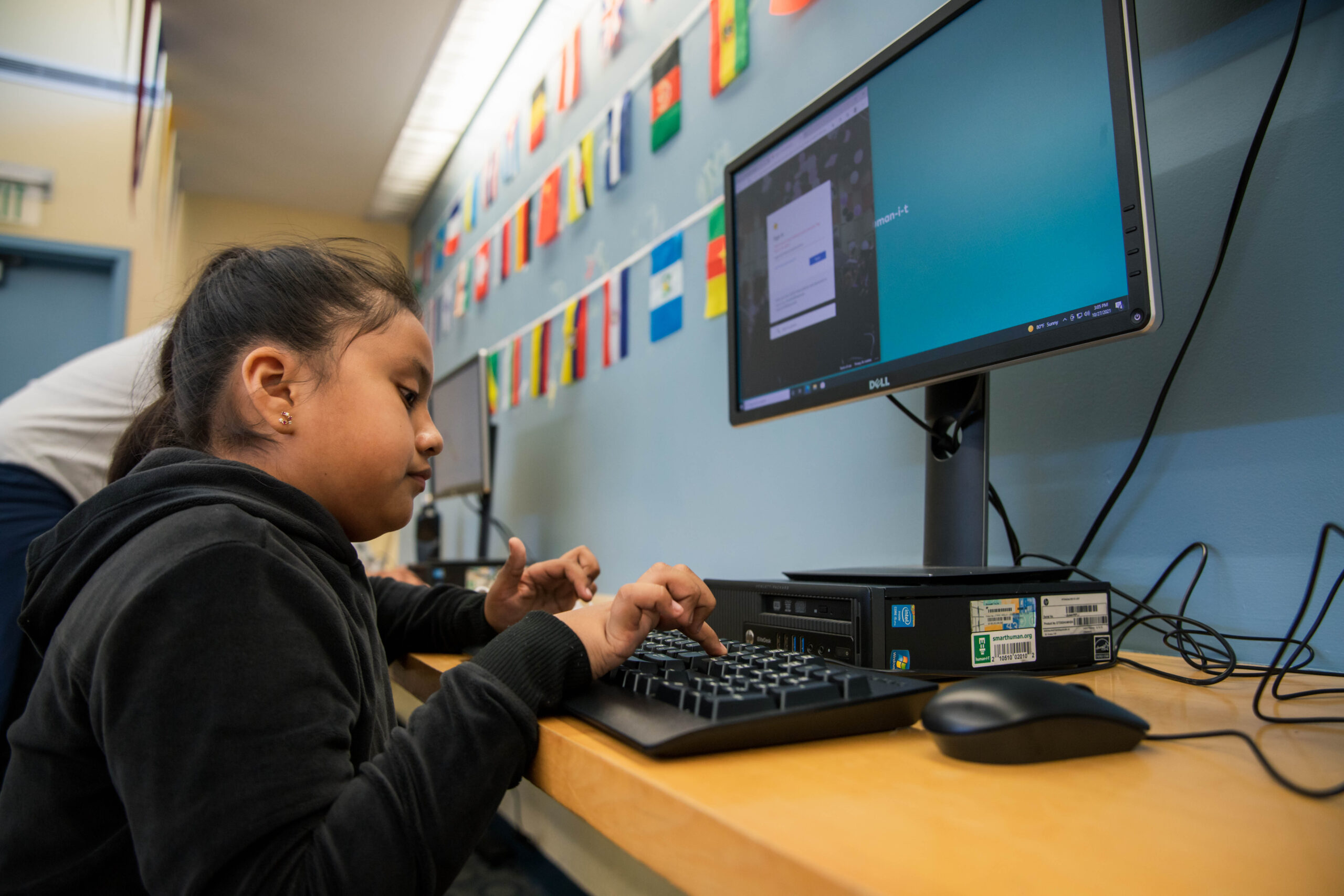
This joint initiative goes beyond environmental stewardship. By placing refurbished devices in classrooms in cities like Detroit and Los Angeles, we’re opening doors for students — providing the tools they need to learn, grow, and compete in a digital world. This is about creating a future where technology in education is not a luxury but a given.
Through this collaboration, Human-I-T aims to significantly increase our footprint in the e-waste industry — not for market control, but for maximizing educational impact. Cisco’s technological expertise helps us harness innovative solutions to manage e-waste more effectively while turning potential waste into wellsprings of knowledge and opportunity.
The relationship is symbiotic. Cisco brings global scale, technical knowledge, and resources. Human-I-T brings boots-on-the-ground refurbishment operations, deep community relationships, and a mission that gives every donated device a second life. Together, the potential for positive change is boundless.
How Does the ERP System Change the Game?
The Enterprise Resource Planning (ERP) system — funded by Cisco’s investment — transforms Human-I-T’s operations from the moment a device is picked up from a donor to the moment it lands in a student’s hands. It’s the operational backbone that makes scale possible without sacrificing accountability.
For donors and partners, the ERP offers unparalleled transparency. Through a streamlined portal, donors can monitor the journey of their contributions — tracking how their devices are refurbished, equipped with educational software, and delivered to students in need. This visibility fosters a deeper connection between our mission and the individuals and organizations that support it.
The automation capabilities are where things get tangible. Swift scheduling of pickups. Efficient inventory management. Expedited device refurbishment. For students, this means quicker access to the digital tools they need. With the ERP in place, we’re positioned to grow our e-waste intake by 10–30% year over year over the next five years — translating to thousands more devices in the hands of students who need them.
This isn’t just an operational upgrade. It’s the infrastructure that turns good intentions into measurable outcomes. Every device tracked. Every impact quantified. Every donor able to see exactly where their contribution ended up.
What Does This Partnership Mean for the Future?
It means the gap between discarded technology and disconnected students gets smaller — systematically, not anecdotally. The digital age is brimming with potential, yet millions remain on the peripheries, unable to tap into the opportunities technology offers.
Cisco’s commitment goes beyond financial contributions. It’s about a shared ethos — leveraging technology to empower communities, ensure equity, and bridge divides. From scaling our operations to directly impacting the lives of countless students, the milestones we’ve achieved together are testament to the power of collective effort.
Every device refurbished, every classroom connected, every student given access — these aren’t just operational metrics. They’re proof that a circular model works. That e-waste doesn’t have to be waste at all. That technology can be an equalizer, a bridge, and a beacon of hope for working families who’ve been priced out of the digital age.
FAQ
How does Human-I-T handle e-waste differently from traditional recyclers?
Human-I-T prioritizes refurbishment over raw material recovery. Rather than shredding devices for component metals, we assess, repair, and redeploy technology — extending its lifespan and directing it to students and families who need it. Devices that truly can’t be refurbished are responsibly recycled through certified processes.
What role does Cisco play in Human-I-T’s operations?
Cisco has invested in Human-I-T since 2020, providing both funding and technological expertise. Their support enabled the development of an Enterprise Resource Planning (ERP) system that tracks every device from donor pickup to student delivery, improving operational efficiency, transparency, and scale.
How much e-waste does the world produce each year?
According to the Global E-waste Monitor 2024, the world generated 62 million metric tons of e-waste in 2022 — and that figure is growing by roughly 2.6 million tonnes annually. Only about 17% is formally collected and recycled, leaving massive room for refurbishment-first approaches.
How can my organization donate technology to Human-I-T?
Fill out the technology donation form today and take a step toward closing the digital divide while championing responsible e-waste management. Our team will coordinate pickup logistics, provide certified data destruction, and ensure your devices reach classrooms and families who need them.
Does donating to Human-I-T count as responsible e-waste disposal?
Yes. Human-I-T is a certified IT Asset Disposition (ITAD) provider. We offer secure data destruction and documented chain-of-custody processes, so your organization meets compliance requirements while maximizing social and environmental impact.