
TL;DR
Human-I-T uses Asana as its operational backbone — managing inventory, communication, and community relationships across every department. Since adopting the platform, we tripled the volume of technology donations we take in and doubled the amount of technology we distribute to income-qualified families. The takeaway: the right logistics infrastructure lets a nonprofit spend less time on coordination and more time getting devices into the hands of working families who need them.
Introduction
Most people think closing the digital divide is about finding more computers. It’s not — at least, not entirely. It’s about moving those computers efficiently from the businesses that no longer need them to the families who desperately do. That’s a logistics problem, and logistics problems demand serious tools.
At Human-I-T, we take unwanted or inoperative technology of any kind — computers, servers, cell phones, office equipment, anything with a plug — refurbish it, and redistribute it to low-income families, other nonprofits, and veterans in need. Scaling that pipeline meant finding a system that could track every device from the moment it’s donated to the moment it’s placed in someone’s hands. Asana became that system.
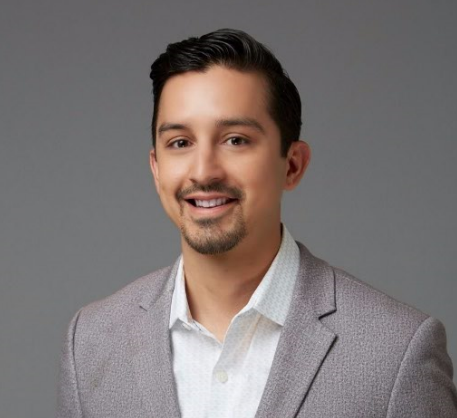
CEO Gabe Middleton sat down with Asana to explain how the platform reshaped our operations — and why getting logistics right is inseparable from getting digital equity right.
What Does Human-I-T Actually Do With Donated Technology?
We disrupt the default assumption that old technology belongs in a recycling bin. When it comes to e-waste, recycling is not the best option — reuse and repurposing is. We collect unwanted technology from local businesses, the public, and municipalities, refurbish what’s usable, and connect it to families who are often left behind in today’s digital age because they don’t have access to a working computer or internet.
The model is built on a simple insight: the e-waste crisis and the digital divide are two sides of the same coin. Instead of breaking devices down for commodity metals — gold, silver, and other materials — we extend their lifespan and put them to work for people who need them most.
Why Is Asana the Cornerstone of Human-I-T’s Operations?
Asana powers every single department at Human-I-T. It’s how we communicate, how we keep track of inventory, and how we manage our relationships with community members and donors. Before committing fully to the platform, we struggled to find a database that fit our model — one built around repurposing and redistribution rather than the standard recycling and commodity breakdown workflow.
When Asana introduced custom fields, everything changed. We integrated other software into the platform and built a system that inventories every donation passing through our warehouse. As Middleton described it: "It’s a pretty elaborate system when you look at Asana compared to what it looked like in 2012."
What Impact Did Better Logistics Have on Distribution?
The results were immediate and dramatic. After implementing Asana’s custom fields, we tripled the volume of donations we could take in — driven by greater transparency and a faster, more fluid logistics flow. We also doubled the amount of technology we were able to give away.
The math is straightforward: less time spent on logistics and internal communication means more time focused on reaching the community — making sure people know where distribution events are happening, when they’re happening, and how to get there.
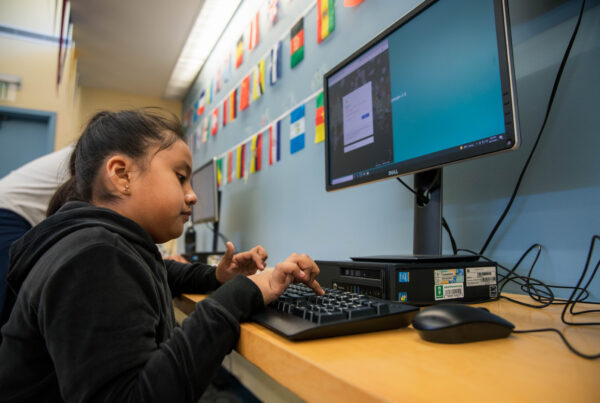
And the best part of what we do is the distribution event itself. For many income-qualified families, it’s their very first computer. We provide not just the device but the digital training and low-cost internet to make it meaningful.
How Does This Connect E-Waste to the Digital Divide?
Middleton put it plainly: "We need to do a better job, not only for our environment side, but to produce less e-waste in the first place. But we need to do a better job at taking the e-waste problem and combining it with the digital divide problem. Put those problems together just to create one solution."
That’s Human-I-T’s core thesis. Every refurbished laptop that reaches a working family is one less device leaking hazardous materials in a landfill. Every streamlined logistics process means more devices diverted and more families connected. The operational infrastructure isn’t separate from the mission — it is the mission.
FAQ
How does Human-I-T track donated technology?
Every donation that passes through our warehouse is inventoried using Asana’s custom fields, integrated with other software tools. This system tracks devices from intake through refurbishment to final distribution, providing full transparency at every stage.
What kinds of technology does Human-I-T accept?
We accept anything with a plug — computers, laptops, servers, cell phones, tablets, and office equipment. Whether it’s consumer electronics or enterprise-grade data center hardware, we evaluate it for refurbishment and reuse before considering any other disposition.
Why does Human-I-T prioritize refurbishment over recycling?
Recycling breaks devices down into raw commodity materials. Refurbishment extends a device’s lifespan and puts it directly into the hands of families, veterans, and nonprofits who need working technology. It addresses both the e-waste crisis and the digital divide in a single solution.
How can I donate technology to Human-I-T?
Fill out the technology donation form to schedule a donation. Your unwanted devices get a second life with a family that needs them — and you keep e-waste out of landfills.
How can I get a low-cost device or internet through Human-I-T?
Check out our programs to see if you qualify for a refurbished device, low-cost internet, digital training, or tech support. No hidden fees. No fine print.
— CONTAINS POTENTIALLY OUTDATED INFORMATION—VERIFY BEFORE PUBLISHING
This post references Human-I-T’s operational setup and specific Asana features from 2016. Current workflows, team structure, and platform usage may have changed significantly. Impact metrics (tripled donations, doubled distributions) reflect results at that time and should be verified against current figures.