
TL;DR: Most computers and laptops hit the donation sweet spot at 3–5 years old — still functional enough to run cloud-based apps and educational software, but old enough that replacement makes sense for your workflow. Even devices up to a decade old can serve students and working families if they boot up and connect to the internet. The key is donating before the 7–10 year mark, when software compatibility and security vulnerabilities make devices more liability than lifeline.
Table of Contents
- When Is My Device Too Old to Donate?
- Can I Donate Old Computers and Laptops?
- What About Servers and Wi-Fi Equipment?
- Can I Donate Old Phones and Tablets?
- Do Peripherals and Accessories Still Have Donation Value?
- What Should I Do With Really Old Electronics?
- When Should You Not Donate Old Electronics?
- Make Your Old Electronics Count
- FAQ
Introduction
While you might feel good about recycling old electronics, research from UNITAR reveals that 77.7% of "recycled" e-waste never reaches proper facilities. It ends up in landfills instead. According to the Global E-waste Monitor 2024, the world generated 62 million tonnes of e-waste in 2022 alone — and global e-waste production has grown five times faster than formal recycling rates since 2010. This broken disposal system creates a dilemma for IT professionals and individuals alike: when are your old devices too outdated to help someone in need?
Whether you’re managing corporate laptops or cleaning out your home office, the timing matters. Strategic donation cuts disposal costs, boosts your environmental impact, ensures data security, and creates real change in underserved communities. The challenge is knowing exactly when your old technology shifts from valuable donation to recycling material.
The sweet spot exists between keeping devices too long and discarding them too early. Finding it means understanding device lifespans, limits to functionality, and donation best practices.
When Is My Device Too Old to Donate?
Most electronics remain donation-worthy for 3–7 years, depending on device type. Computers and laptops hit the ideal donation window at 3–5 years. Phones and tablets at 2–4 years. Monitors at 5–7 years. After the 7–10 year mark, compatibility with current software and security standards drops sharply — and that’s where donation stops making sense and certified recycling takes over.
The functionality bar is surprisingly low. Devices just need to boot up, connect to the internet, and handle basic applications. A single parent enrolling their kid in online classes doesn’t need a machine running the latest chipset — they need one that works.
Can I Donate Old Computers and Laptops?
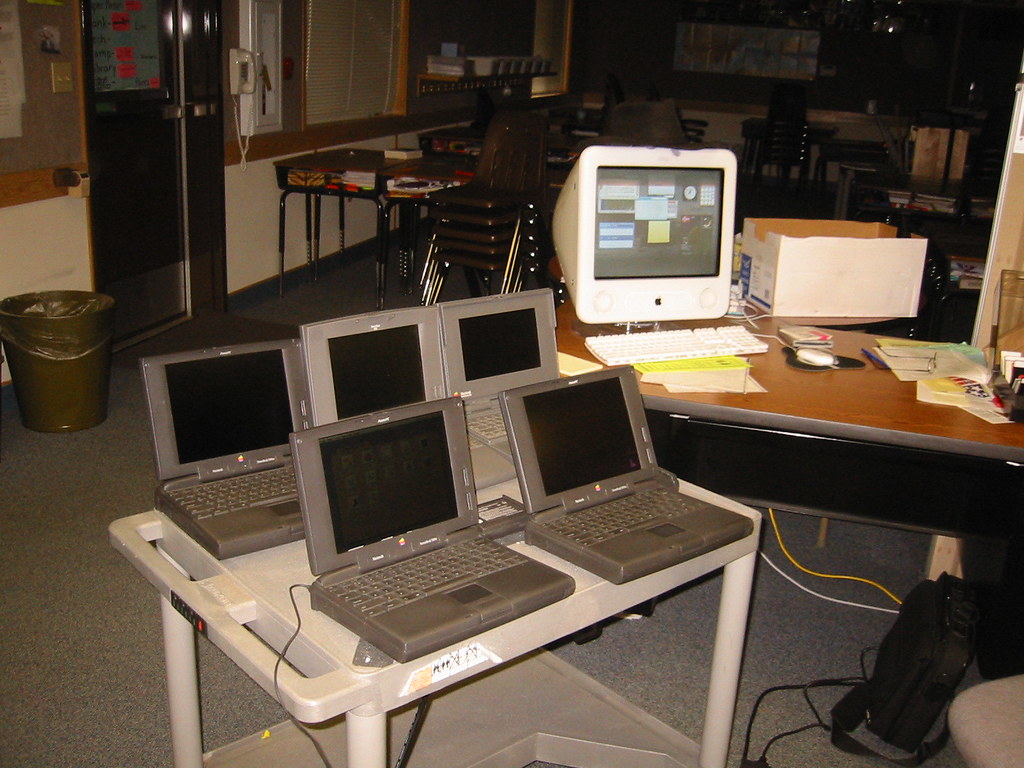
Yes — and the 3–5 year window is ideal. Most organizations and individual consumers follow a predictable pattern: they replace computers every 3–5 years to maintain peak performance. According to ITAD Daily’s Q4 2025 analysis, the typical enterprise refresh cycle has extended to roughly 5 years as organizations push for longer asset lifecycles. That cycle creates a steady stream of devices perfectly suited for donation and reuse — modern enough to be useful, old enough that replacement makes sense.
Even computers from a decade ago can provide educational opportunities. According to Data Doctors, laptops from 10 years ago are more than capable of serving students for online classes since most learning happens in the cloud. That machine gathering dust in your office closet could be the difference between a student completing an assignment or falling behind.
What About Servers and Wi-Fi Equipment?
Wi-Fi systems should be donated after 3–4 years, before security vulnerabilities make them risky for new users. Servers require individual assessment — processing power and security capabilities determine their donation viability, not age alone.
Storage devices need special handling. Their sensitive data history makes secure destruction the priority, not donation potential. That said, reputable certified ITAD vendors can ensure your data is secure and repurpose the hardware. The distinction matters: responsible data sanitization unlocks a second life for equipment that would otherwise become landfill weight.
Can I Donate Old Phones and Tablets?
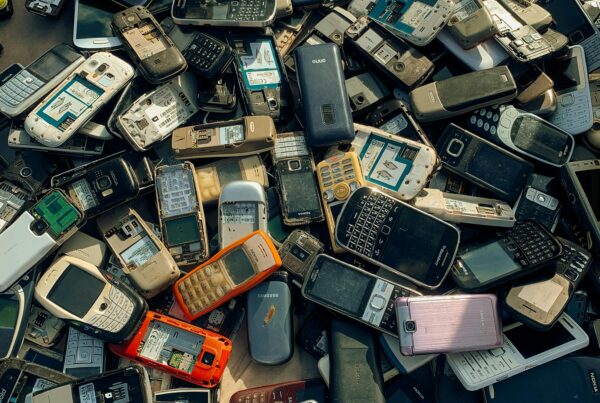
Absolutely — and they’re in high demand. Organization mobile refresh cycles typically run 2–4 years, which means a constant supply of devices that workforce development and educational programs desperately need. The key? Complete data wiping and account deactivation before donation.
Many mobile carriers offer trade-in discounts on new devices or plans. They refurbish and resell the old ones. While those are great perks, donation is likely still the better option. Not only will you know for certain that your data is wiped and secure, you’ll also be helping working families who still can’t afford the price of a refurbished device from a retail store. Trade-in programs benefit corporations. Donation benefits communities.
Do Peripherals and Accessories Still Have Donation Value?
For many peripherals, age is irrelevant — function is everything. Keyboards, mice, and cables don’t expire if they work properly. Monitors and displays stay relevant for 5–7 years before resolution standards shift enough to matter.
Printers and scanners require a cost-benefit analysis. Weigh maintenance expenses and ink availability against donation impact. If the ongoing costs would burden the recipient, the device may have more value at a certified recycler than in someone’s home.
What Should I Do With Really Old Electronics?
Donate them — and capture the financial and environmental returns. Understanding the timelines for various old electronics solves half the puzzle. The other half involves recognizing that donation delivers measurable benefits far beyond simple disposal.
Financial Returns That Actually Matter
For enterprises, donation eliminates disposal fees while unlocking tax deduction opportunities through qualified nonprofits. Even individuals get a tax deduction for donating old electronics. Nonprofit refurbishers like Human-I-T provide NAID AAA-certified data wiping at zero cost for large donations — a service that typically commands premium pricing from commercial vendors.
Environmental Impact With Real Numbers
According to the University of Florida Institute of Food and Agricultural Sciences, manufacturing each 5-pound laptop consumes roughly 1,100 gallons of water. It produces a significant amount of CO2. And it contains more than 240 substances — many of our planet’s finite natural resources. When you donate instead of discard, you maximize the return on that massive resource investment.
Organizations like Human-I-T have already redirected 434,000+ devices from landfills into underserved communities, proving donation scales effectively. Partnering with certified organizations also strengthens environmental compliance reporting — a growing requirement for corporate sustainability initiatives.
When Should You Not Donate Old Electronics?
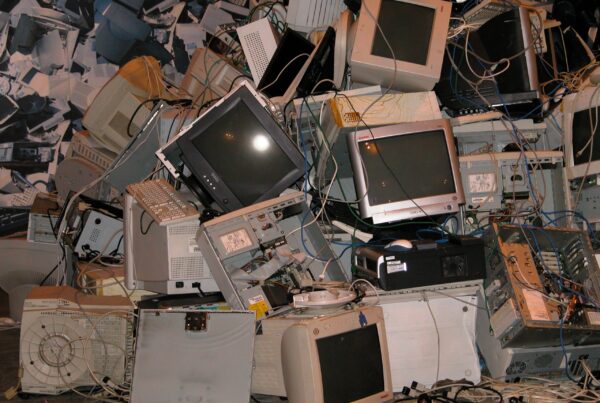
Old electronics beyond the 7–10 year mark typically lack compatibility with current software and security standards. Hardware failures create another clear boundary. Non-functional devices belong with certified recyclers — not in someone’s home where they’ll become a frustration instead of a resource.
Certain regulated sectors face compliance requirements that mandate physical destruction over donation. Healthcare organizations handling HIPAA-protected data and financial institutions with strict regulatory oversight often cannot pursue donation pathways regardless of device condition.
Extremely sensitive data sometimes demands on-site destruction only. No matter how robust the certification, some information requires witnessing its complete elimination before leaving your premises.
Learn all about when it’s okay to donate old electronics — and when it’s not — for individuals and enterprises here.
Make Your Old Electronics Count
Transforming unused technology into community impact starts with choosing certified ITAD providers who understand both security requirements and social responsibility. Human-I-T combines enterprise-grade data protection with meaningful community outcomes.
Ready to create impact with your old technology? Our team handles everything — from secure pickup for organizations to final impact reporting. We also offer easy drop-off and mail options for individuals. Your old laptops and electronics don’t have to gather dust or contribute to landfill waste.
The choice is simple.
Donate your technology and create lasting change in underserved communities.
FAQ
How old is too old to donate a laptop?
Laptops older than 7–10 years typically can’t run current software or meet modern security standards. But anything within that window — especially devices that still boot up, connect to Wi-Fi, and handle browser-based applications — has real value for students and working families who need access to digital tools.
Do I need to wipe my data before donating electronics?
You should always attempt to remove personal accounts and do a factory reset. But certified ITAD partners like Human-I-T provide NAID AAA-certified data sanitization as part of the donation process — at no cost for large donations. Your data security isn’t an afterthought; it’s built into the process.
Can I get a tax deduction for donating old electronics?
Yes. Both individuals and enterprises can claim tax deductions for donating electronics to qualified nonprofits like Human-I-T. For enterprises, donation also eliminates disposal fees — turning a cost center into a write-off while redirecting devices to underserved communities.
What electronics does Human-I-T accept for donation?
Human-I-T accepts computers, laptops, servers, phones, tablets, monitors, and peripherals. Even devices you think are too old may have a second life. Fill out the technology donation form to get started — our team will assess what can be refurbished and what should be responsibly recycled.
What happens to donated electronics that can’t be refurbished?
Devices that can’t be refurbished are processed through certified responsible recycling channels — not tossed in a landfill. Human-I-T’s R2-certified processes ensure that every device is either given a second life or broken down responsibly, keeping hazardous materials out of the environment.