
TL;DR
A Certificate of Data Destruction (COD) is a formal document that provides verified, auditable proof that sensitive data on decommissioned devices has been irreversibly destroyed. With the global average cost of a data breach at $4.44 million per incident according to IBM’s 2025 Cost of a Data Breach Report, this documentation isn’t optional—it’s your legal shield against regulatory penalties, lawsuits, and catastrophic reputational damage. If you’re refreshing IT assets, demand a COD that includes serialized device tracking, destruction methodology, and NIST 800-88 compliance verification before a single drive leaves your facility.
Table of Contents
- What Is a Certificate of Data Destruction?
- When Do You Need a Certificate of Destruction?
- What Should a Proper Certificate of Destruction Include?
- How Does a Certificate of Destruction Protect You Legally?
- Can Deleted Data Still Be Recovered?
- What Does a Chain of Custody Have to Do with Data Destruction?
- How Does Human-I-T Handle Secure Data Destruction?
- What Documentation Should You Expect from Your ITAD Provider?
- FAQ
Introduction
According to IBM’s 2025 Cost of a Data Breach Report, the global average cost of a data breach is $4.44 million per incident—and many IT professionals still rely on data destruction methods that leave sensitive information fully recoverable. A simple "delete" or a factory reset doesn’t cut it. When decommissioning technology, the gap between thinking data is gone and proving it is gone is where organizations get burned.
Amid increasing regulatory penalties and the reality that consumers abandon breached companies, a Certificate of Data Destruction is the only documentation that definitively closes that gap. For IT professionals managing enterprise and nonprofit assets, these certificates serve as verifiable proof that data has been completely, irreversibly eliminated before equipment moves on—whether to refurbishment, resale, or responsible recycling.
The stakes aren’t hypothetical. HIPAA violations, FTC enforcement actions, and Sarbanes-Oxley liability create real financial and criminal exposure. Here’s what you need to know to protect your organization.
What Is a Certificate of Data Destruction?
A Certificate of Data Destruction (COD) is a formal document providing verified proof that specific items—hard drives, servers, storage media, or other data-containing devices—have been securely and irreversibly destroyed. Unlike a basic deletion confirmation or a recycling receipt, a COD serves as tangible evidence that your sensitive data now exists beyond the reach of even the most determined recovery specialists.
Essentially, the data no longer exists at all. This distinction matters because regulatory bodies and courts don’t accept "we think we wiped it" as evidence of compliance. They require documentation—specific, auditable, and tied to individual devices.
When Do You Need a Certificate of Destruction?
Any time your organization disposes of material containing personally identifiable information (PII), protected health information (PHI), corporate trade secrets, or financial records. This applies to hard drives, servers, storage media, mobile devices, and even copiers with internal memory.
Certificates become especially critical when equipment will be recycled, refurbished, or resold. Under regulations like HIPAA, GLBA, and FACTA, organizations must not only destroy sensitive data properly but document that destruction thoroughly. If you can’t produce a COD during an audit or investigation, your organization is exposed—regardless of whether the data was actually destroyed.
What Should a Proper Certificate of Destruction Include?
A valid COD must contain several critical elements—without them, your documentation falls short of what regulators and courts expect.
Provider identification includes the complete details of the business performing the destruction: name, address, and relevant certifications (such as NAID AAA or R2). Date and time documentation records precisely when destruction occurred. Destruction methodology describes the specific process used—overwriting, degaussing, or physical shredding. Item identification ties destruction to specific devices through serial numbers and asset tags.
A verification statement confirms that destruction was completed according to relevant standards like NIST 800-88. Authorized signatures identify responsible personnel who performed or verified the work. And a certificate tracking number provides a unique identifier for audit purposes.
Missing even one of these elements creates gaps that auditors, investigators, and opposing counsel will exploit.
How Does a Certificate of Destruction Protect You Legally?
A COD provides three layers of critical protection in an increasingly punitive regulatory environment.
Regulatory shield. Under HIPAA, improper disposal of Protected Health Information can trigger penalties with annual maximums that now exceed $2 million per violation category after inflation adjustments, according to updated 2025 penalty guidance. FACTA mandates businesses destroy consumer information derived from consumer reports. Sarbanes-Oxley holds executives personally liable with penalties reaching $5 million and potential 20-year imprisonment. These aren’t theoretical risks. The FTC regularly pursues organizations for inadequate data destruction practices, even when specific industry regulations don’t apply.
Risk transfer. Your Certificate of Destruction transfers legal responsibility from your organization to the destruction provider, creating a binding assurance that professional-grade, NIST 800-88-compliant methods have rendered your data irretrievable. When a single breach averages $4.44 million, this documentation is the difference between liability and protection.
Chain of custody completion. From creation to destruction, every piece of sensitive information requires a documented chain of custody. The COD is the final link. Without it, gaps in your data management create vulnerabilities during legal proceedings or compliance investigations that no amount of verbal testimony can fill.
Can Deleted Data Still Be Recovered?
Yes—and this is where most organizations underestimate their exposure. Even when you believe data has been deleted, specialized recovery tools can resurrect information from improperly sanitized media. Standard formatting and basic deletion leave data structures intact beneath the surface.
A proper Certificate of Destruction verifies that professional-grade methods—not consumer-level deletion—have rendered your data irretrievable. This is why NIST 800-88-compliant sanitization exists: it systematically overwrites every sector of a storage device, then verifies the result. Without that verification step, you’re trusting a process rather than proving an outcome.
What Does a Chain of Custody Have to Do with Data Destruction?
Everything. A chain of custody documents every handoff, every storage location, and every action taken on data-containing devices from the moment they leave service to the moment they’re destroyed. The Certificate of Destruction completes this trail.
Without that final link, your organization has a gap—and gaps invite liability. During legal proceedings or compliance investigations, an unbroken chain of custody is often the deciding factor between a defensible position and a costly settlement.
How Does Human-I-T Handle Secure Data Destruction?
When you partner with Human-I-T for secure data destruction, you’re choosing a process engineered to eliminate both security vulnerabilities and environmental waste. Our methodology transforms potential liabilities into positive social impact through three integrated phases.
Phase 1: Secure Transportation and Storage. Every device arrives at our facility through a meticulously monitored chain of custody. Authorized personnel receive your technology at our NAID-certified secure facility, where items remain physically secured and under continuous supervision until processing. For organizations that prefer on-premises handling, our authorized technicians can perform data destruction at your location—eliminating transportation concerns entirely while maintaining the same rigorous standards.
Phase 2: NIST 800-88 Data Sanitization with Verification. Human-I-T implements the gold standard for data elimination: NIST 800-88-compliant sanitization. This process writes random data across the entirety of your storage devices, systematically destroying all recoverable information. Unlike basic deletion or formatting, our process includes comprehensive verification—each device undergoes rescanning to confirm 100% elimination of sensitive information, leaving nothing accessible even to advanced recovery techniques.
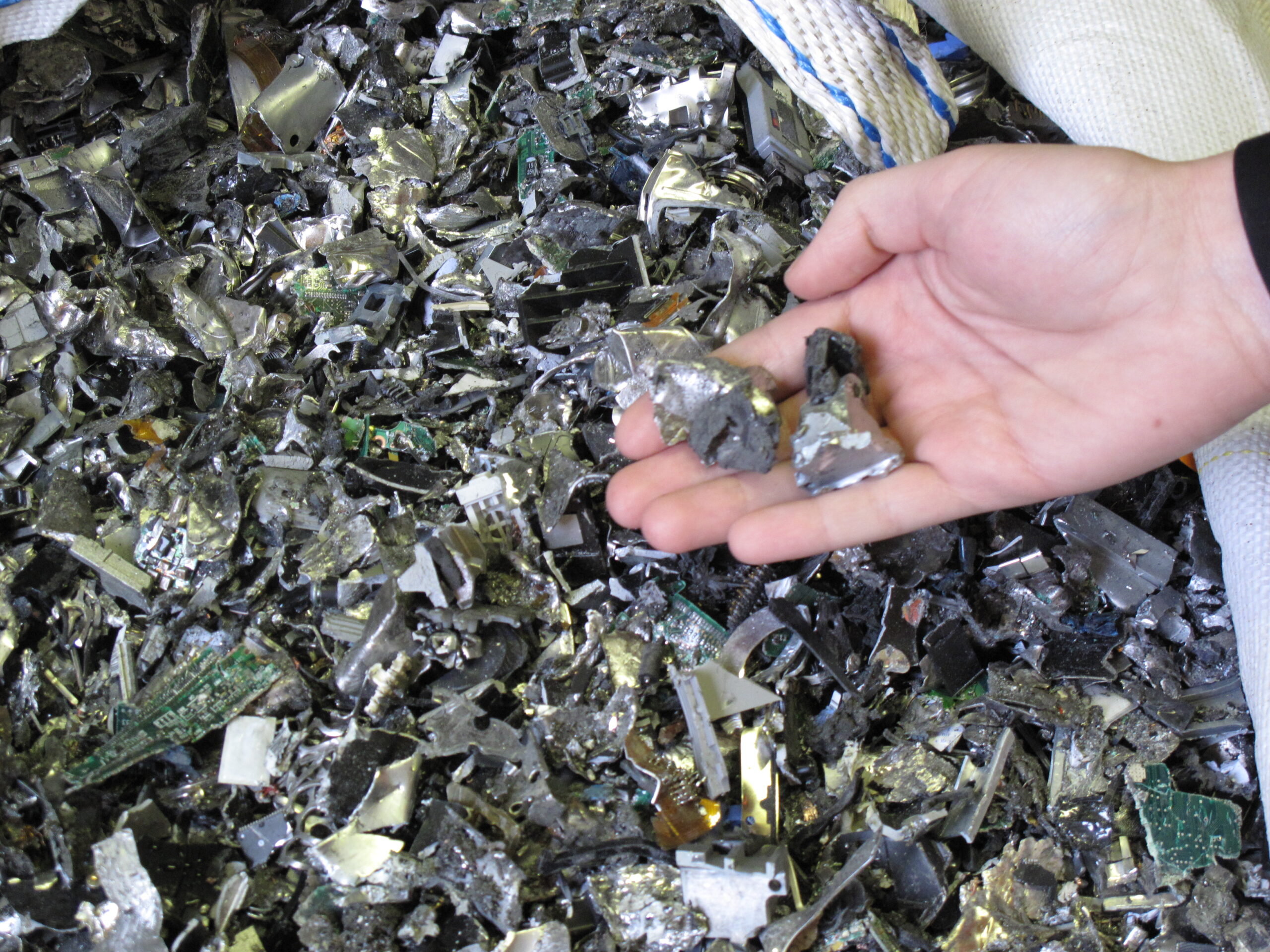
Phase 3: Physical Crushing When Digital Sanitization Isn’t Enough. Devices that cannot be verified as fully sanitized undergo physical crushing through our R2-certified equipment. This transforms storage media into fragments that make data reconstruction physically impossible, with all materials recycled responsibly to minimize environmental impact.
What Documentation Should You Expect from Your ITAD Provider?
Our comprehensive documentation package provides incontrovertible evidence that your data sanitization meets regulatory requirements.
A Certificate of Data Destruction formally verifies that all inventoried items have been appropriately destroyed. Serialized Data Destruction Reports provide detailed PDF documentation of each sanitized device, including serial numbers, donation IDs, and processing dates. Physical Crushing Documentation offers comprehensive reporting for physically destroyed items, detailing destruction methods, technician information, and device identifiers.
With these protections in place, your organization gets regulatory compliance with total peace of mind—and the knowledge that functional devices get refurbished and placed into the hands of families who need them, rather than rotting in a landfill.
FAQ
What is a Certificate of Data Destruction and why does my organization need one?
A Certificate of Data Destruction is a formal document proving that specific data-containing devices have been irreversibly destroyed using verified methods. Your organization needs one to demonstrate regulatory compliance with HIPAA, FACTA, GLBA, and Sarbanes-Oxley during audits, investigations, or legal proceedings. Without it, you have no defensible proof that sensitive data was properly eliminated.
How is data sanitization different from deleting files?
Deleting files removes directory references but leaves the underlying data intact and recoverable with off-the-shelf tools. NIST 800-88-compliant sanitization overwrites every sector of a storage device with random data and then verifies the result—making recovery impossible even with advanced forensic techniques.
What happens to devices after Human-I-T destroys the data?
Devices that pass our NIST 800-88 sanitization verification get refurbished and distributed to income-qualified families and working communities who need access to technology—closing the digital divide while keeping electronics out of landfills. Devices that can’t be fully sanitized are physically crushed through R2-certified equipment, and all materials are recycled responsibly. Contact us today to learn how our secure ITAD services turn your retired assets into social impact.
Can a Certificate of Destruction protect my organization in a lawsuit?
Yes. A properly issued COD establishes a documented chain of custody and transfers legal responsibility to the destruction provider. It serves as evidence that your organization took reasonable, industry-standard steps to protect sensitive data—a critical factor in defending against breach-related litigation or regulatory enforcement actions.
How does Human-I-T ensure data security during device transportation?
Every device is tracked through a monitored chain of custody from pickup to processing at our NAID-certified facility, where items remain physically secured under continuous supervision. For organizations with heightened security requirements, our technicians can perform data destruction on-site at your location. Fill out the form to speak to a team member about our secure data destruction and donation services.