
TL;DR
When you donate your laptop to an organization like Human-I-T, it goes through a secure chain-of-custody process — data sanitization, refurbishment, and distribution to families who need it. With global e-waste reaching an estimated 62 million tonnes in 2022 and projected to hit 65.3 million tonnes by the end of 2025, donating is the single most impactful way to dispose of old tech. Fill out a technology donation form or call 888-391-7249 to get started.
Table of Contents
- How Bad Is the E-Waste Problem Right Now?
- What Happens If You Just Throw Your Laptop Away or Recycle It?
- What Actually Happens When You Donate Your Laptop?
- Is My Data Safe When I Donate a Laptop?
- How Does My Donated Laptop Get Refurbished?
- Who Receives My Donated Laptop?
- FAQ
Every 60 seconds, 1,000 laptops enter our landfills while millions of Americans can’t get online to apply for jobs, access healthcare, or help their kids learn. That old laptop sitting in your drawer isn’t just clutter — it’s a missed opportunity on both sides of the equation.
We’ve all had that moment: you upgrade, and the old device collects dust. You know trashing it feels wrong. Recycling it sounds responsible. But the best option — the one that solves two crises at once — is donating it to be refurbished and given a second life.
Here’s what actually happens when you choose donation over disposal, and why it matters more than you think.
How Bad Is the E-Waste Problem Right Now?
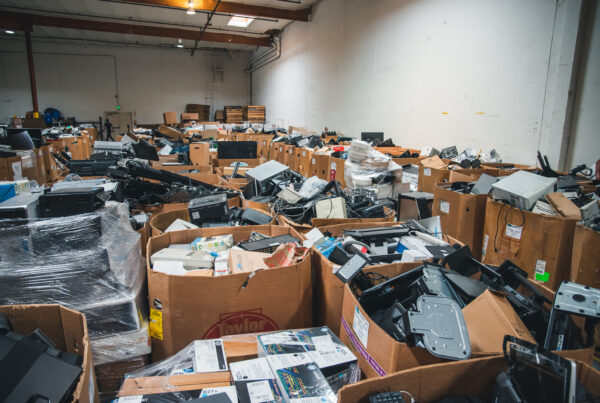
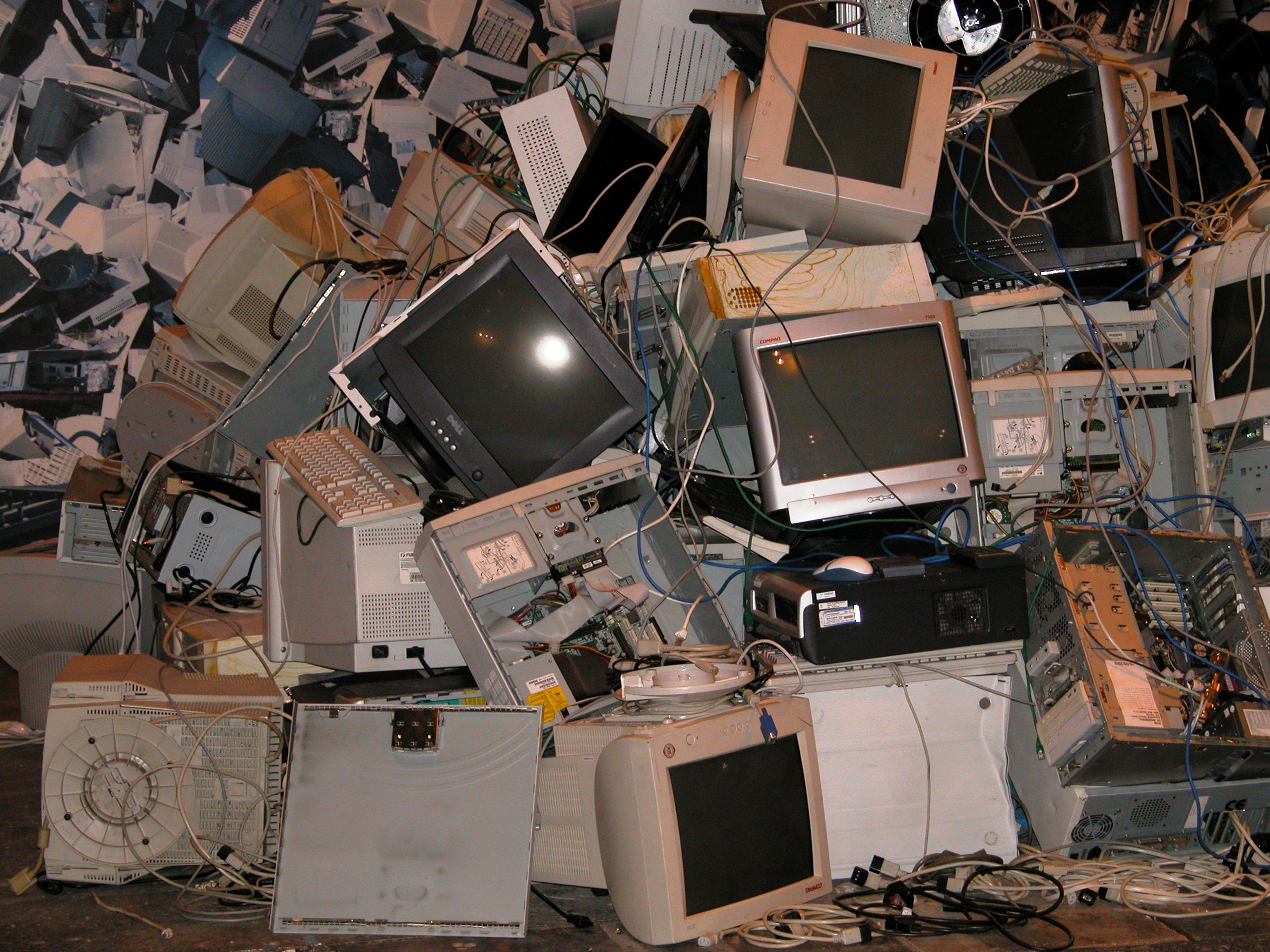
It’s at crisis levels — and accelerating. According to PIRG, the U.S. alone tosses out about 7 million tons of electronic waste annually. Globally, according to the Global E-waste Monitor 2024, the world generated 62 million tonnes of e-waste in 2022, averaging 7.8 kg per person — and that figure is projected to reach 65.3 million tonnes by the end of 2025.
E-waste makes up just 2% of landfill mass but accounts for 70% of toxic materials found there. Your innocent-looking laptop contains lead, mercury, and cadmium that seep into soil and water supplies over time. These aren’t minor inconveniences — they’re hazardous pollutants creating real health problems in communities worldwide.
With these hazards piling up faster than we can manage them, understanding what actually happens when you dispose of old tech isn’t optional. It’s urgent.
What Happens If You Just Throw Your Laptop Away or Recycle It?
Nothing good — at least not compared to donation. Here’s why the two most common disposal methods fall short.
Putting Electronics in Recycling Bins
Tossing your laptop in the blue bin seems responsible. It’s actually dangerous. When collection trucks dump their loads, devices shatter, exposing sharp components and harmful materials. This creates serious safety hazards for recycling workers who sort materials by hand.
Beyond worker safety, one broken device can contaminate entire batches of otherwise recyclable materials. That cracked laptop screen might render pounds of paper or plastic unsuitable for processing — creating more waste instead of less.
Then there’s your data. Standard recycling provides zero guarantees of proper data destruction. That laptop might still contain passwords, financial records, personal photos, or business documents — all potentially accessible to whoever handles it next.
Many electronics placed in recycling bins end up shipped overseas to countries with minimal environmental or labor regulations. Workers in these facilities — often including children — dismantle devices without proper protection, exposing themselves to toxic fumes from burning plastic and harmful chemicals used to extract valuable metals. The recovery process is typically inefficient, capturing only a fraction of recoverable materials while the rest poisons local communities.
Drop-Off at Recycling Facilities
Taking devices to a dedicated electronics recycling facility is a step up from curbside recycling. These specialized centers ensure your device won’t contaminate other recyclables and typically follow more responsible processing protocols.
But here’s the catch: at these facilities, your laptop gets shredded into tiny pieces. Sophisticated machinery separates materials by type — metals, plastics, glass, and circuit boards each follow different paths. Many plastic components and non-recyclable materials still end up in landfills. The energy-intensive shredding and separation processes create their own environmental footprint.
Shredding a perfectly functional laptop that someone else could use for years? That’s the throwaway culture at work.
What Actually Happens When You Donate Your Laptop?
Your donated laptop enters a secure, tracked process designed for both data safety and maximum impact. Unlike recycling, which destroys devices, donation gives functional technology a second life — and closes the digital divide in the process.
Human-I-T makes the logistics painless regardless of scale.
For individuals: Follow our easy shipping instructions or drop off your device at one of our facilities.
For businesses: Human-I-T handles on-site palletized pickup for large-scale device replacements, taking the logistical headache completely off your plate. Got just a few items? We’ll send you a 20″x20″x20″ box (with a 50-pound limit) complete with packaging materials and a prepaid shipping label. For laptop-only donations, secure padded boxes provide extra protection during transit.
Human-I-T also offers specialized asset management services, including remote data sanitization using NIST 800-88 software, comprehensive reporting, and shipping materials — whether you’re donating the devices or having them returned to your organization.
Security doesn’t stop at packaging. Your donated tech travels in GPS-tracked trucks equipped with four cameras — road-facing, cabin interior, truck box interior, and rear-facing. This surveillance system provides live feeds during transit, with footage accessible for up to two months afterward. For shipped donations, real-time tracking updates keep you informed, while detailed chain-of-custody documentation creates a transparent paper trail.
Is My Data Safe When I Donate a Laptop?
Yes — and Human-I-T’s data destruction process exceeds industry standards. Data security represents the biggest concern people have when disposing of old electronics, and it’s the area where donation to a certified organization dramatically outperforms every other option.
Once your laptop arrives at Human-I-T’s facility, security remains paramount. Unlike standard recycling centers, Human-I-T operates NAID-certified secure facilities equipped with advanced ADT security systems and comprehensive camera coverage. Every staff member and volunteer must pass rigorous background checks before accessing donated devices.
Our comprehensive data destruction process uses NIST 800-88 compliant methods to write random data throughout the entire storage device, completely overwriting previous information. Every device undergoes re-scanning to verify 100% destruction of sensitive data. For devices with storage that cannot be completely sanitized via software, physical crushing ensures data remains irretrievable before environmentally responsible recycling.
You receive extensive documentation: a Certificate of Data Destruction, serialized data erasure reports for each device, and physical crushing reports when applicable. For tax purposes, Human-I-T provides itemized donation receipts. Larger donations receive detailed social and environmental impact reporting — built for corporate ESG initiatives and sustainability reporting.
How Does My Donated Laptop Get Refurbished?
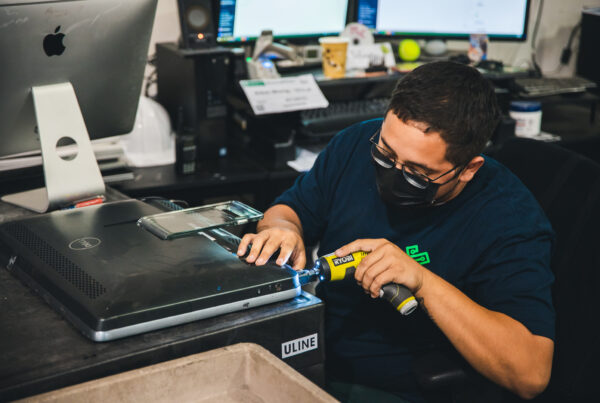
Each donated device receives a thorough inventory and assessment. Technicians evaluate physical condition, sorting items based on their potential for refurbishment versus those requiring responsible recycling. Not every donated laptop can be refurbished, but devices that meet our requirements enter a multi-step process.
The refurbishment begins with identifying and repairing any issues affecting functionality or user experience. Technicians remove all identifying markings — asset tags, stickers — ensuring previous ownership remains confidential. Each computer receives a fresh operating system installation and undergoes comprehensive testing to ensure it meets quality standards before being prepared for distribution. [Note: The original article references Windows 10 Professional installations. Microsoft ended support for Windows 10 on October 14, 2025, meaning security updates are no longer provided. Human-I-T’s current OS installation practices may have changed.]
This refurbishment approach preserves the full value and utility of your donated laptop — something that shredding at a recycling facility destroys entirely.
Who Receives My Donated Laptop?
Working families, single parents, students, veterans, and community members who need technology to access education, employment, and essential services. Human-I-T distributes refurbished devices through our low-cost online store and targeted community programs.
What sets Human-I-T apart is our holistic approach to digital inclusion. A laptop without connectivity and skills is just a paperweight. Many people who receive devices from us also qualify for free digital literacy training and ongoing tech support that addresses issues which might otherwise render devices unusable. Low-cost internet options connect these devices to the online world, while a dedicated digital navigation team works one-on-one with individuals to ensure they have the right combination of tools and connectivity to meet their specific goals.
Your one donated laptop doesn’t just reduce e-waste — it becomes someone’s bridge to a job application, a telehealth appointment, or a child’s homework assignment.
FAQ
Can I donate a laptop that doesn’t work anymore?
Yes. Human-I-T accepts non-functional laptops. Devices that can’t be refurbished are responsibly recycled through certified processes — not shipped overseas or dumped in landfills. Either way, your data is securely destroyed.
How do I know my data is actually wiped when I donate?
Human-I-T uses NIST 800-88 compliant data sanitization methods and provides a Certificate of Data Destruction for every device. For drives that can’t be software-wiped, physical crushing makes data permanently irretrievable. You get serialized documentation for each device processed.
Is donating a laptop better for the environment than recycling it?
Significantly. Recycling destroys the device and recovers only a fraction of its materials through energy-intensive processes. Donation extends the laptop’s lifespan, keeping it out of the waste stream entirely while reducing demand for new device manufacturing — which carries its own massive environmental footprint.
How do I donate my laptop to Human-I-T?
Visit human-i-t.org/donate-technology or call 888-391-7249 to schedule a free pickup. Individuals can ship devices or drop them off at a facility. Businesses can arrange palletized on-site pickup. The process is simple — and the impact is real.
Do I get a tax deduction for donating my laptop?
Yes. Human-I-T provides itemized donation receipts for tax purposes. Larger corporate donations receive additional social and environmental impact reporting for ESG and sustainability documentation.
Ready to give your old laptop a second life? Fill out the technology donation form today and take a step toward closing the digital divide while championing responsible e-waste management. Because at Human-I-T, we believe access to technology is a right, not a privilege.