
TL;DR
The world generated 62 million tonnes of e-waste in 2022 — enough to fill 1.5 million transport trucks — and only 15–20% of U.S. e-waste gets properly recycled. Burning, landfilling, and even recycling all fall short. Refurbishing retired electronics and donating them to underserved communities breaks the e-waste cycle while closing the digital divide — and that’s exactly what Human-I-T does with over 60% of the devices that come through our doors.
Table of Contents
- How big is the e-waste crisis?
- Why do burning, landfilling, and recycling all fall short?
- What does a better solution to retired tech look like?
- FAQ
Introduction
We find ourselves surrounded by electronics. Smartphones, laptops, tablets, servers, medical equipment — pretty much everything in your home or office with a plug. But they come with a hidden cost. According to the Global E-waste Monitor 2024, the world generated 62 million tonnes of e-waste in 2022, averaging 7.8 kg per person. That figure is climbing at roughly 2.6 million tonnes per year, putting us on track for 82 million tonnes by 2030.
The United States is a major contributor. CNBC reports the U.S. alone amassed just shy of 8 million tons of e-waste in 2022 — yet only about 15–20% was properly recycled. E-waste accounts for roughly 70% of all toxic waste in the country. The rest? It gets burned, buried, or shipped overseas. None of those options solve the problem. But there is a better way.
How Big Is the E-Waste Crisis?
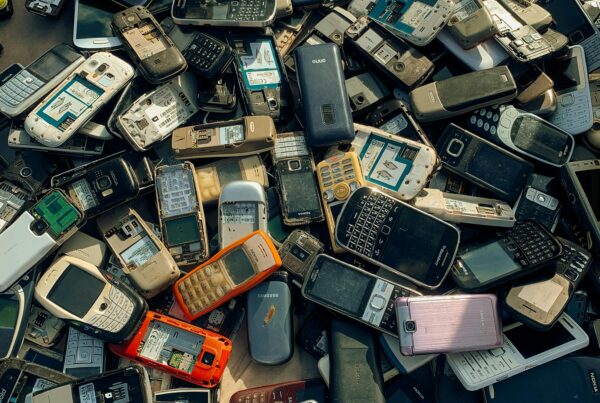
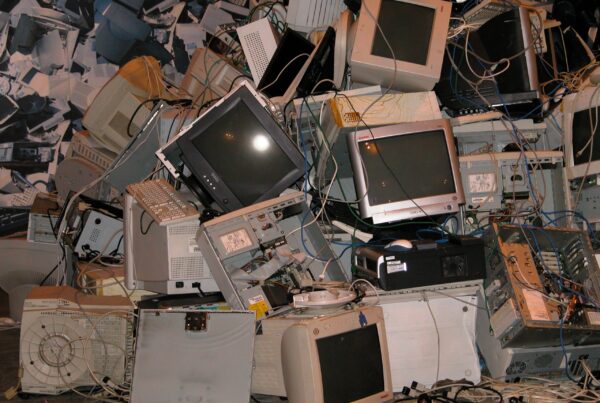
Massive — and accelerating. According to the United Nations Environment Programme, humanity now produces 62 million tonnes of electronic waste every year, enough to fill 1.5 million transport trucks. Global e-waste production has grown five times faster than formal recycling rates since 2010.
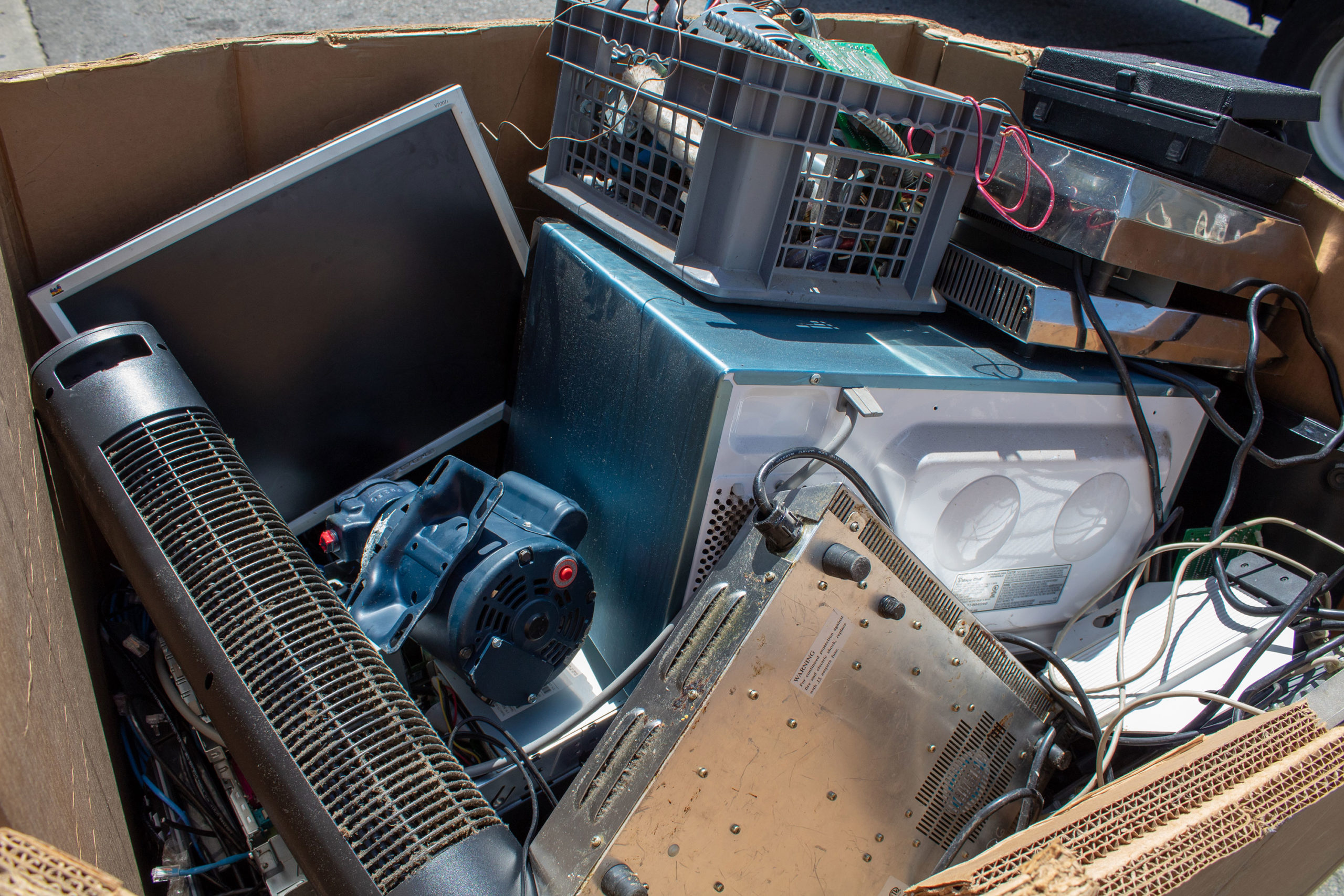
E-waste isn’t just old phones and broken TVs. It includes computers, servers, medical equipment, and virtually every device with a battery or plug. And the volume keeps climbing — driven by planned obsolescence, shorter product cycles, and a throwaway culture that manufacturers profit from. At current growth rates, researchers project 120 million tonnes of e-waste annually by 2050.
That’s not a distant problem. It’s a crisis happening now.
Why Do Burning, Landfilling, and Recycling All Fall Short?
Because all three perpetuate the same disposable mindset — they treat electronics as waste rather than resources.
Burning
To recover materials like gold and plastic, scrap workers and informal recyclers often burn electronic components. The result: harsh, harmful chemicals released directly into the atmosphere. Burning lead or cadmium damages air quality and poses serious health risks — lead exposure alone can harm kidneys and disrupt blood flow. As the Geneva Environment Network documents, hazardous materials in electronic scrap contaminate soil and water, threatening both the environment and food security.
Landfilling
Stashing e-waste in landfills creates toxic mountains — often dumped in developing countries that lack the infrastructure to handle it safely. Heavy metals and hazardous substances seep into soil and groundwater, poisoning entire communities. These aren’t oversights. They’re the predictable outcome of a system built to externalize costs onto the most vulnerable.
Recycling
Recycling sounds like the green alternative, and it does reduce some chemical exposure. But it still feeds the e-waste cycle. Recycled materials become new products that eventually end up burned or landfilled themselves. The increase in technological production and consumption far outweighs the good that recycling alone can do. In the U.S., only 15–20% of e-waste is properly recycled — the rest disappears into the same harmful channels.
Recycling is necessary. But it’s not sufficient.
What Does a Better Solution to Retired Tech Look Like?
Refurbishment — extending the lifespan of electronics instead of destroying them. It’s a circular model that eliminates waste at the source while putting working technology into the hands of people who need it.
Here at Human-I-T, we take in unwanted electronic devices — from servers to phones, old or new — donated by companies and individuals looking to reduce electronic pollution and strengthen their communities. Our technicians refurbish these devices and sort them into three categories: donation, resale, and responsible disposal.
Over 60% of everything that comes through our doors is refurbished and either donated or sold at a discounted price to income-qualified families and small businesses. Computer donations go to charitable organizations, schools, and underserved communities — granting real technological access. Discounted devices are available through our e-commerce store, giving small upcoming businesses a hand in their growth.
For the non-salvageable tech that does come through, we work with a trusted R2-certified recycler who responsibly handles the remaining e-waste. The goal is to eliminate as much "waste" as possible — keeping our oceans, land, and air clean while providing opportunity for working families and communities priced out of the digital economy.
Repair over replacement. Reuse over recycling. That’s the circular economy in action.
FAQ
What qualifies as e-waste?
E-waste is any discarded electronic product with a battery or plug. That includes phones, televisions, computers, tablets, servers, medical equipment, and household appliances. According to the UN, e-waste is one of the world’s fastest-growing waste streams, and it often contains hazardous substances like mercury, lead, and cadmium.
Why isn’t recycling enough to solve the e-waste problem?
Recycling reduces chemical exposure compared to burning or landfilling, but it still feeds the cycle. Recycled materials become new products that eventually become waste themselves. Global e-waste production has grown five times faster than formal recycling rates since 2010. True solutions prioritize extending the lifespan of existing devices through refurbishment before resorting to recycling.
How does donating technology reduce e-waste?
When you donate a working or repairable device, it gets a second life instead of ending up in a landfill. Human-I-T refurbishes over 60% of all donated electronics — putting them into the hands of underserved communities, schools, and small businesses. Every refurbished device is one less device burned, buried, or shipped overseas.
How can I donate my old electronics to Human-I-T?
Fill out the technology donation form today and take a step toward closing the digital divide while championing responsible e-waste management. We accept devices ranging from phones to servers — whether from individuals or businesses. Your retired tech becomes someone else’s opportunity.
Does Human-I-T handle data security on donated devices?
Yes. Human-I-T is NAID AAA certified and follows strict data sanitization protocols. Every donated device undergoes secure data destruction before refurbishment or recycling, protecting both donors and recipients. Contact us today to learn more about our secure ITAD services.